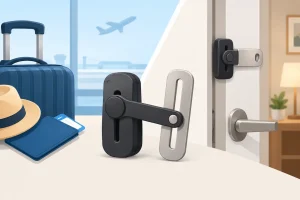
A sliding window can look fully closed while still being one weak point away from opening. If a window can be lifted, forced sideways, or opened after the glass is broken, the factory latch alone may not be enough. Learning how to secure sliding windows gives you practical layers of protection without turning your home into a construction project.
The goal is simple: make the window harder to open, harder to break through unnoticed, and easier for your household to respond to if someone tries. Start with the physical opening, then add detection and smart daily habits.
Start by Checking How Your Sliding Window Moves
Not all sliding windows work the same way. Horizontal sliders move side to side, while vertical sliding windows move up and down. Some have an exterior-facing track, removable panels, worn latches, or loose frames. Those details affect which security measures will work best.
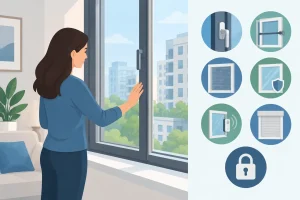
With the window shut and locked, try moving it gently from the outside if you can do so safely. Check for side-to-side play, gaps between the sash and frame, and any ability to lift the panel out of its track. Inside, inspect the latch. If it feels loose, does not fully engage, or requires you to hold the window in place to lock it, repair or replace it before relying on it.
Also consider the window’s location. A second-story bathroom window needs different protection than a ground-floor bedroom window hidden by landscaping. Ground-level windows, basement windows, and windows near gates, patios, or dark side yards deserve the strongest attention.
How to Secure Sliding Windows With a Track Blocker
A track blocker is one of the fastest, most affordable ways to stop a sliding window from opening. For a horizontal slider, place a correctly sized wooden dowel, metal bar, or purpose-built security rod in the bottom track between the moving sash and the frame. When the window is closed, the blocker prevents the sash from sliding open.
For a vertical sliding window, a dowel or pin can be fitted in a way that prevents the lower sash from being raised. The exact placement depends on the design, so make sure it does not interfere with an emergency exit route.
Measure carefully. A loose bar can be knocked out of place, while one that is too tight may damage the track or make the window difficult to operate. For windows you use for ventilation, consider an adjustable bar that can lock the window in a partially open position. That lets in fresh air while limiting the opening enough to discourage entry.
A track blocker should be considered a backup, not a replacement for a working lock. It is valuable because it defeats a common forced-entry method: simply prying or sliding the window past a weak latch.
Prevent the Window From Being Lifted Out
Many sliding window panels can be lifted upward and pulled out of the track. A burglar may not need to break the glass or defeat the lock if the sash can be removed.
Look at the top of the moving panel when the window is closed. If there is enough vertical clearance to lift the panel, consider adding anti-lift devices. Depending on the frame, this may involve small screws, anti-lift blocks, or stops installed in the upper track. These limit how far the sash can rise.
This is a job where precision matters. A poorly placed screw can interfere with movement, crack certain vinyl frames, or prevent the window from opening when needed. If you are not comfortable drilling into the frame, use a removable anti-lift product designed for your window type or ask a qualified window professional for help.
Reinforce the Lock, but Do Not Create a Fire Hazard
The factory latch on many sliding windows is designed for everyday closure, not determined forced entry. A secondary lock can add meaningful resistance. Options include keyed sash locks, clamp-style locks, and pin locks that secure the moving sash to the frame.
Choose a lock that household members can operate quickly. Bedrooms with windows that may be needed for emergency escape require special care. Do not install a keyed device that leaves a key stored elsewhere, requires tools, or creates confusion in a fire. If you use a key-operated lock, keep the key immediately accessible to responsible adults and make sure everyone understands the plan.
Security should never trap you inside. Test every reinforced window after installation, and include it in your home’s fire escape plan.
Add a Window Alarm for Fast Detection
Physical barriers buy time. An alarm creates attention, which is often just as important. A simple window alarm can sound when the sash moves or when a magnetic contact separates. These compact devices are especially useful on vulnerable ground-floor windows, basement sliders, garage windows, and windows that are out of sight from your main living area.
A loud alarm can alert people inside the home, discourage an intruder from continuing, and give you a clear signal that something needs attention. For renters, adhesive alarms are often a practical option because they can be installed without permanent changes to the frame.
Placement matters. Clean and dry the mounting surface first, then test the alarm with the window closed, partially open, and fully opened. Replace batteries on a schedule rather than waiting for a low-battery chirp. If the alarm includes a chime mode, use it during the day to know when children or visitors open a window.
Elite Warrior Defense offers practical home-security tools, including window and door alarms, that can help add this important detection layer without a major expense.
Make the Glass and Surroundings Work for You
Locks and alarms are more effective when the area around the window does not offer cover or easy access. Keep shrubs trimmed below the window line, especially near side and rear entries. Improve lighting around patios, walkways, and ground-floor windows. Motion-activated lights can make a person approaching the home far more visible.
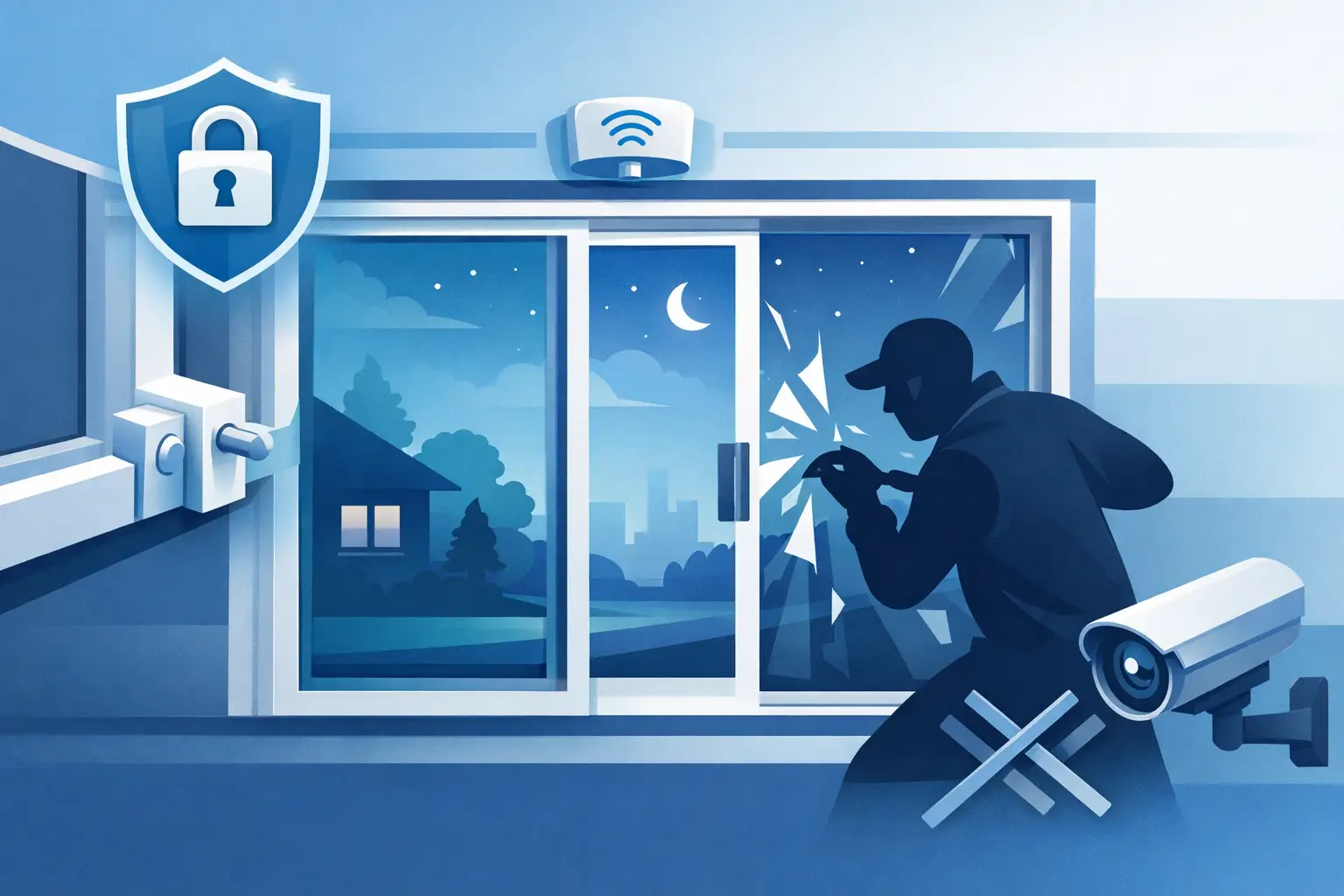
Window security film is another option worth considering. It can help hold shattered glass together, making smash-and-reach entry more difficult and messier. Film is not bulletproof glass, and it does not make a window impossible to penetrate. Its value is the delay it can create, particularly when paired with a loud alarm and a locked, blocked sash.
Curtains and blinds also have a role. Keep valuable items, keys, wallets, and electronics out of clear view. At the same time, avoid covering every window so completely that neighbors cannot notice suspicious activity. The right balance depends on your property, privacy needs, and how visible the window is from the street.
Do Not Forget Ventilation and Everyday Habits
A window left cracked open is still an opening. If you like fresh air at night, use a vent lock or adjustable track bar that limits movement to a small gap. Avoid leaving accessible windows open when no one is actively home, even if the opening seems too small for a person to fit through. A partially open window can be forced wider.
Make window checks part of leaving the house and going to bed. Confirm that each accessible sliding window is closed, latched, and backed up by its track blocker or secondary lock. Check that alarm indicators are working and that exterior lighting has not burned out.
If children live in the home, explain that window locks and alarms are safety tools, not toys. If guests, caregivers, or older relatives use the home regularly, show them how windows open in an emergency. A security setup only works when the people inside know how to use it.
Choose Layers Based on Your Actual Risk
You do not need the same setup on every window. A high, inaccessible window may only need a sound latch and routine inspection. A ground-floor slider behind a privacy fence may call for a track blocker, anti-lift protection, an alarm, and better lighting.
The strongest approach is not one expensive device. It is a combination of small measures that make entry slower, louder, and more noticeable. Secure the track, prevent lifting, reinforce weak locks, add an alarm where it counts, and keep the area visible.
Tonight, pick the sliding window you would worry about most and test it from lock to track. One focused improvement can turn an easy opportunity into a difficult, noisy decision for anyone who does not belong there.