A ground-floor window can be an easy target when it is left unlocked, partly open, or hidden by a fence, stairwell, or heavy landscaping. Learning how to secure apartment windows is not about turning a rental into a fortress. It is about closing the simple opportunities an intruder may look for while keeping your home safe, functional, and within your lease rules.
For most renters, the best approach is layered security. A locked window creates a first barrier. A window alarm adds immediate warning. Privacy, lighting, and a few smart habits reduce the chance that someone will try in the first place. Small upgrades can make a meaningful difference, especially in first-floor units, basement apartments, units near fire escapes, and apartments facing parking lots or secluded walkways.
Start With the Windows Most at Risk
Do not treat every window the same. Walk through your apartment from the outside, if possible, and identify which windows offer easy access or concealment. Ground-level windows deserve attention first, followed by windows beside stairways, back entrances, alleys, shared balconies, and fire escapes.
Also consider what can be seen through the glass. A visible laptop, handbag, key rack, or stack of mail may attract attention even if the window itself is locked. Close blinds or curtains when you are away, particularly at night. Privacy film can be useful for lower windows because it allows daylight in while making it harder for people outside to see valuables or determine whether someone is home.
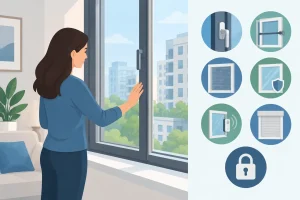
Check each window before buying anything. Test whether the sash locks fully, whether the frame shifts, and whether the window can be opened from the outside when it appears closed. If a factory lock is broken, loose, or missing, document the issue and notify your landlord or property manager in writing. Repairs to existing locks are generally the property owner’s responsibility.
How to Secure Apartment Windows With Better Locks
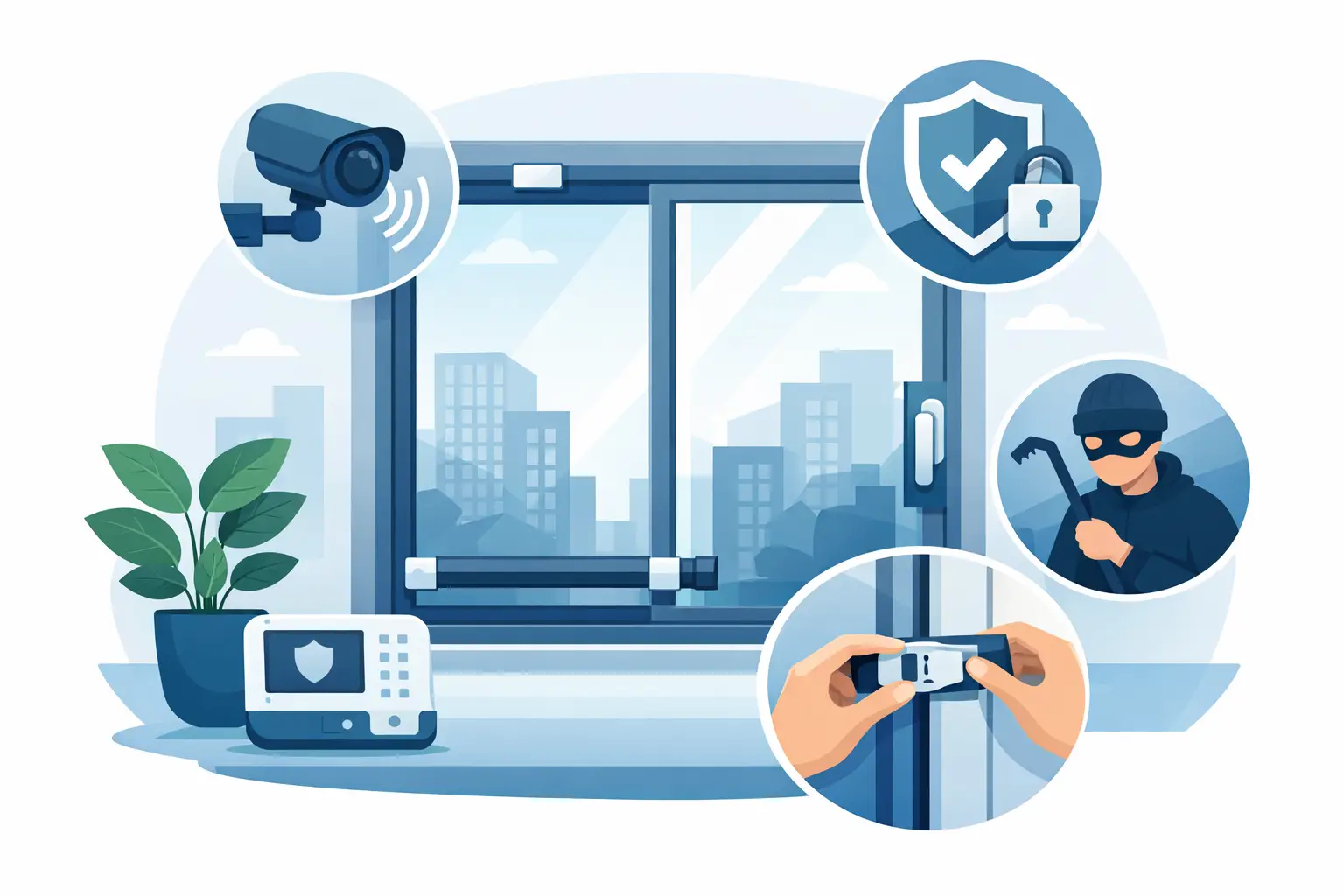
The original latch on many apartment windows is designed to keep the window closed, not necessarily to resist force. Adding a secondary lock can prevent a window from sliding or opening beyond a small gap. The right option depends on the window style and your lease.
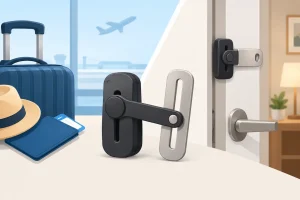
For horizontal sliding windows, a window track lock or adjustable security bar is a practical choice. It sits in the track and blocks the sash from moving. Many options install without drilling, which makes them a strong fit for renters. Measure the track before choosing one, and make sure it does not interfere with emergency escape.
For vertical single-hung or double-hung windows, removable sash stops can limit how far the window opens. This is helpful when you want fresh air without creating an opening large enough for a person to enter. A properly fitted stop can also help protect young children from falls. If the window must serve as an emergency exit, choose a device you can remove or release quickly from inside.
Casement windows that crank outward need a different check. Ensure the crank handle, hinge, and locking mechanism are in good condition. If the window does not close tightly, request maintenance instead of trying to force a makeshift fix. A damaged casement window can compromise both security and weather protection.
Avoid permanently drilling into frames, replacing hardware, or using adhesive products that may damage painted surfaces without written approval. A quick email to your landlord can prevent a security upgrade from becoming a lease dispute.
Add Window Alarms for Immediate Warning
A lock slows entry. An alarm tells you that someone is trying to get in. Simple magnetic window alarms are one of the most affordable ways to add another layer of protection. The two-piece sensor separates when the window opens, triggering a loud alert.
These alarms work well on windows that are normally kept closed when you are asleep or away. Place the sensor where the two pieces align tightly when the window is shut, then test it several times. If the alarm is difficult to reach or turn on, it is less likely to become part of your daily routine.
For renters, standalone alarms are often the easiest choice because they do not require wiring, professional installation, or changes to the building. They can also be moved when you move. Elite Warrior Defense offers practical window and door alarm options designed to help renters add a clear warning layer without a major investment.
An alarm is not a substitute for calling 911 when there is an immediate threat. Its value is in creating noise, alerting you quickly, and drawing attention to an attempted entry. That noise can be enough to make someone abandon the attempt.
Keep Ventilation Safe, Not Wide Open
An open window is a common weak point, especially during warm weather. If you sleep with windows open, only open them as far as a secondary stop safely allows. A few inches of airflow may be enough for comfort while making entry much more difficult.
Do not rely on a standard insect screen for security. Screens are designed to keep bugs out, and many can be removed or cut with minimal effort. Security screens may be an option in some rentals, but they usually require landlord approval and should not block a required emergency exit.
Fire safety always comes first. Know which windows in your apartment can be used to escape during a fire, and make sure every adult in the household can open them quickly. Do not install a bar, lock, or security device that traps you inside. If you use window stops for ventilation, practice releasing them before an emergency makes that knowledge necessary.
Make the Outside Less Inviting
Window security starts outside the glass. A person attempting to force a window prefers privacy, darkness, and time. You can reduce those advantages without making changes to the building.
Keep window coverings closed at appropriate times, but avoid creating the appearance that no one is ever home. If you are away for several days, ask a trusted neighbor to collect visible packages or mail if your building setup allows it. Do not leave window boxes, patio furniture, storage bins, or other items positioned where they could help someone reach a window or conceal their activity.
If exterior lighting is poor near your apartment, report it to management. Burned-out fixtures, broken gates, and overgrown shrubs near windows are legitimate safety concerns. Motion-activated lighting can be effective, but installation may be the landlord’s responsibility in a shared exterior area.
Inside, keep a charged phone accessible at night and know your quickest route to a secure room or exit. Personal safety tools can offer added peace of mind, but they work best when you understand local laws, know how to use them, and keep them accessible only to responsible adults.
Build a Window-Security Routine
The strongest security product is less useful if it is not used consistently. Create a quick check before leaving and before bed: close and lock every accessible window, set alarm sensors, secure sliding-window bars, and remove valuables from view. It takes less than a minute once it becomes habit.
If you have roommates, agree on who checks common-area windows. Mixed assumptions are how a kitchen or living-room window gets left unlocked overnight. If a window is frequently opened for a pet, ventilation, or access to a balcony, give it extra attention and use a lock or stop that matches that daily use.
Take photos and keep records of any defective window locks, cracked frames, or failed latches you report to management. This helps establish a clear maintenance history and gives you a better basis for follow-up if repairs are delayed.
When to Ask Your Landlord for More
A renter-friendly device is a good first step, but some problems require professional repair. Contact management promptly if a window will not lock, its frame is damaged, glass is cracked, a ground-floor window lacks working hardware, or a fire-escape window cannot be opened safely from inside.
Be specific in your request. Rather than saying a window feels unsafe, explain that the latch does not engage, the sash can be lifted from the track, or the frame leaves a visible gap when closed. Clear details make it easier for maintenance to address the actual issue.
You do not need expensive renovations to take control of your apartment’s window security. Start with the window that concerns you most, add a secondary barrier and an alarm where appropriate, and make checking it part of your routine. That is a practical step toward a home that feels safer every time you close the door for the night.