A dead battery on a dark shoulder, a flat tire in freezing rain, or a crash that leaves you waiting for help can turn an ordinary drive into a real safety problem fast. This guide to emergency car safety gear is built for drivers who want to be prepared without packing their trunk full of gadgets they will never use.
The right equipment gives you options: visibility when traffic is close, warmth when the weather turns, power when your phone battery drops, and basic tools to handle common roadside trouble. Start with the essentials, learn how to use them, and check your kit before you need it.
Start With Gear That Keeps You Visible and Safe
Roadside visibility is one of the first priorities after a breakdown. Other drivers may have little time to react, especially at night, in heavy rain, around curves, or on busy highways. Your goal is to make your vehicle and your position easy to see from a distance.
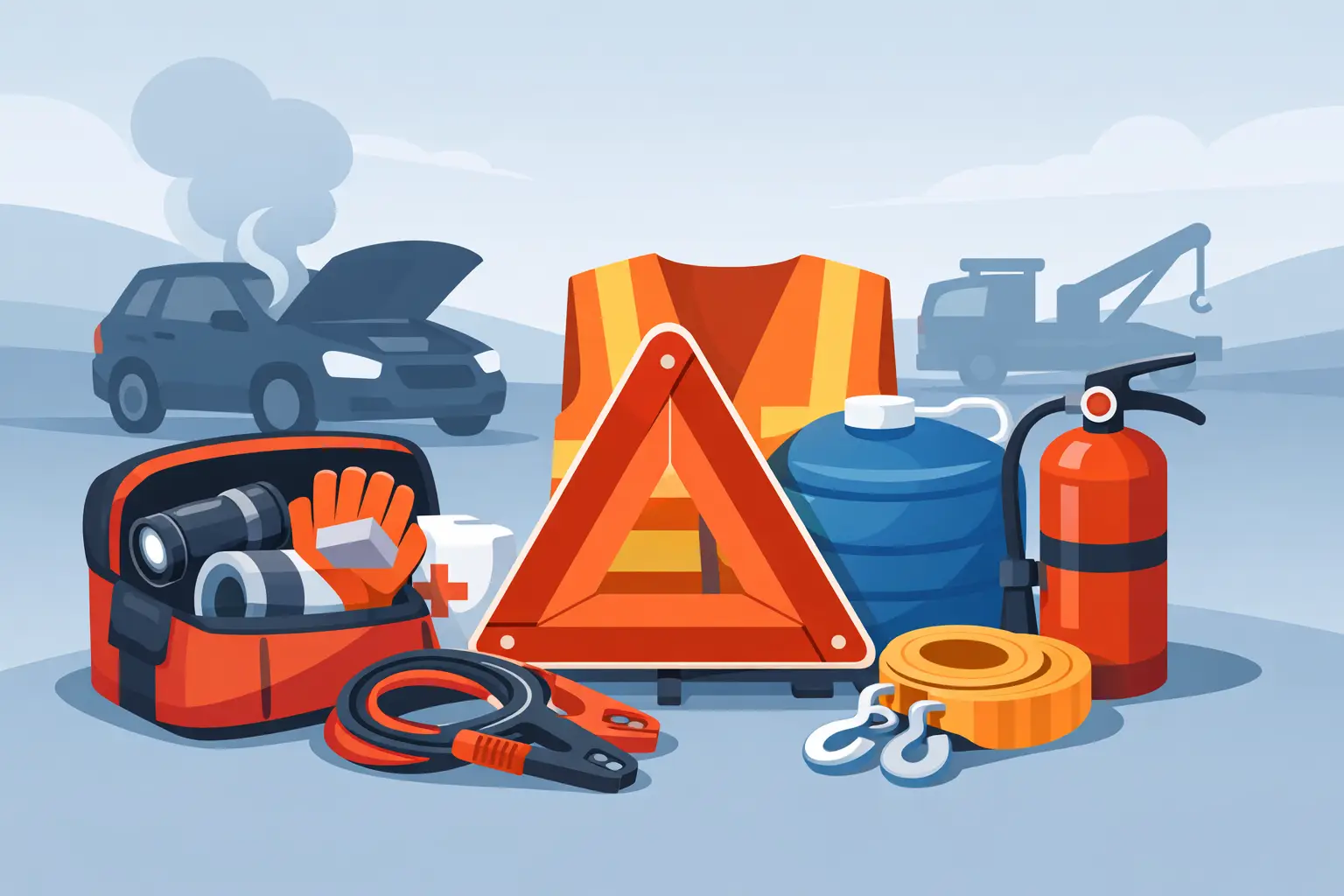
Keep a high-visibility reflective vest where you can reach it from the driver’s seat. Do not bury it beneath luggage in the trunk. Put it on before stepping outside, particularly if you must walk around the vehicle or stand near traffic.
Road flares, LED road flares, and reflective warning triangles are also strong additions. Traditional flares can be effective, but they use an open flame and may not be appropriate near fuel leaks, dry grass, or crash scenes. Battery-powered LED flares are reusable, weather-resistant, and usually easier for everyday drivers to store. Place warning devices well behind your vehicle when it is safe to do so, giving approaching traffic enough room to slow down or change lanes.
A dependable flashlight belongs in every vehicle. Choose one with a bright beam, a durable body, and batteries you can replace easily. A safety light with a flashing mode can provide another way to signal for help. Test it regularly. A flashlight that has been sitting untouched for two years is not emergency equipment. It is just dead weight.
Build a Car Emergency Kit Around Real Risks
The best car emergency kit depends on where and how you drive. A commuter in a major metro area needs different supplies than someone who travels rural backroads, drives through snow country, or takes long family road trips. Still, a few categories apply to nearly everyone.
Power, communication, and navigation
Your phone is one of your most valuable safety tools, but it cannot help if its battery is empty. Store a charged power bank and a charging cable compatible with your phone. A 12-volt vehicle charger is useful too, but it will not help when the car battery is dead.
Keep a paper map of your local area or common travel routes. GPS is convenient, but cellular coverage and battery power are not guaranteed. Write down emergency contacts on a card as well. If your phone is damaged or inaccessible, you should still be able to call a family member, roadside assistance provider, or insurance company from another phone.
Tools for common vehicle trouble
A compact jump starter is one of the most useful upgrades you can carry. Unlike traditional jumper cables, it does not require another vehicle to be available. Look for a unit rated for your engine size, and recharge it on the schedule recommended by the manufacturer.
Jumper cables are still worthwhile, especially if you know how to use them safely. Carry a tire pressure gauge, a portable tire inflator, and a tire plug kit only if you have been trained or are comfortable using one. For many drivers, a spare tire in good condition, a working jack, a lug wrench, and knowledge of the vehicle’s jack points matter more than a complicated repair kit.
Check your spare tire at least twice a year. Many drivers discover too late that their spare is low, damaged, or missing. If your vehicle has a tire repair sealant system instead of a spare, read the instructions before an emergency. Some sealants have limitations and may not work for sidewall damage or large punctures.
Weather and personal comfort supplies
Exposure can become dangerous long before help arrives. Keep drinking water, shelf-stable snacks, blankets, gloves, and a compact rain poncho in the vehicle. In cold climates, add hand warmers, a warm hat, and an ice scraper with a snow brush. In hot climates, prioritize extra water, sunscreen, and shade options.
A small folding shovel can help with snow, mud, or loose ground. Traction aids such as sand, cat litter, or purpose-built traction boards can help when tires spin, but they are not a substitute for safe tires and cautious driving. If severe weather is expected, reconsider the trip whenever possible.
First Aid and Personal Protection Matter
A well-stocked first-aid kit should include adhesive bandages, gauze pads, medical tape, antiseptic wipes, gloves, scissors, and a cold pack. Add any personal medications you may need, but monitor expiration dates and avoid leaving heat-sensitive medicine in extreme temperatures.
Consider adding a seat belt cutter and window breaker within reach of the driver’s seat. In a serious crash, a jammed door, stuck seat belt, or rising water can make escape difficult. This tool is most useful when secured in a consistent, accessible location. Do not leave it loose in a console where it can disappear during an impact.
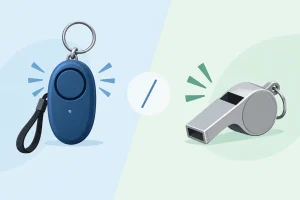
Personal security is also part of roadside readiness. A vehicle breakdown can leave you isolated, distracted, and vulnerable. Keep doors locked while you wait for help, and lower the window only enough to communicate if an unfamiliar person approaches. If you carry a personal safety device such as pepper spray, a safety alarm, or a tactical flashlight, know your local and state laws and practice safe handling before relying on it.
Elite Warrior Defense supports proactive personal security, but gear is never a replacement for awareness. If a situation feels wrong, stay in your locked vehicle when conditions allow, call 911, and move toward a public, well-lit area if you can do so safely.
What to Do During a Breakdown
Equipment works best when paired with a calm response. At the first sign of vehicle trouble, turn on your hazard lights and pull as far away from moving traffic as possible. Avoid stopping just beyond a hill, curve, or other low-visibility location if you have enough control to continue to a safer spot.
Once stopped, assess the surroundings before getting out. On a high-speed road or narrow shoulder, staying inside the vehicle with your seat belt fastened may be safer than standing nearby. Call for assistance, share your location, and tell someone you trust where you are.
If you need to exit, use the side away from traffic whenever possible. Put on your reflective vest, place warning devices only if it is safe, and keep children and passengers away from the roadway. Never crawl beneath a vehicle supported only by a jack.
For a collision, check yourself and passengers for injuries, call 911 when needed, and move the vehicle only if it is safe and legal to do so. If there is smoke, fire, a fuel smell, or active traffic danger, get everyone away from the vehicle immediately.
Keep Your Emergency Gear Ready
A neglected kit creates false confidence. Set a reminder every six months to inspect batteries, power banks, food, water, medications, first-aid items, and seasonal supplies. Replace expired products, recharge electronic devices, and make sure tools remain in working condition.
Store heavier items low and secure them so they do not become dangerous projectiles in a crash. Keep your most time-sensitive gear, such as your flashlight, reflective vest, glass breaker, and phone charger, within easy reach. The trunk is appropriate for blankets and tools, but not for everything.
Your guide to emergency car safety gear should ultimately lead to a kit you understand and can use under pressure. Preparation is not about expecting the worst every time you drive. It is about refusing to be caught without practical options when the unexpected happens.