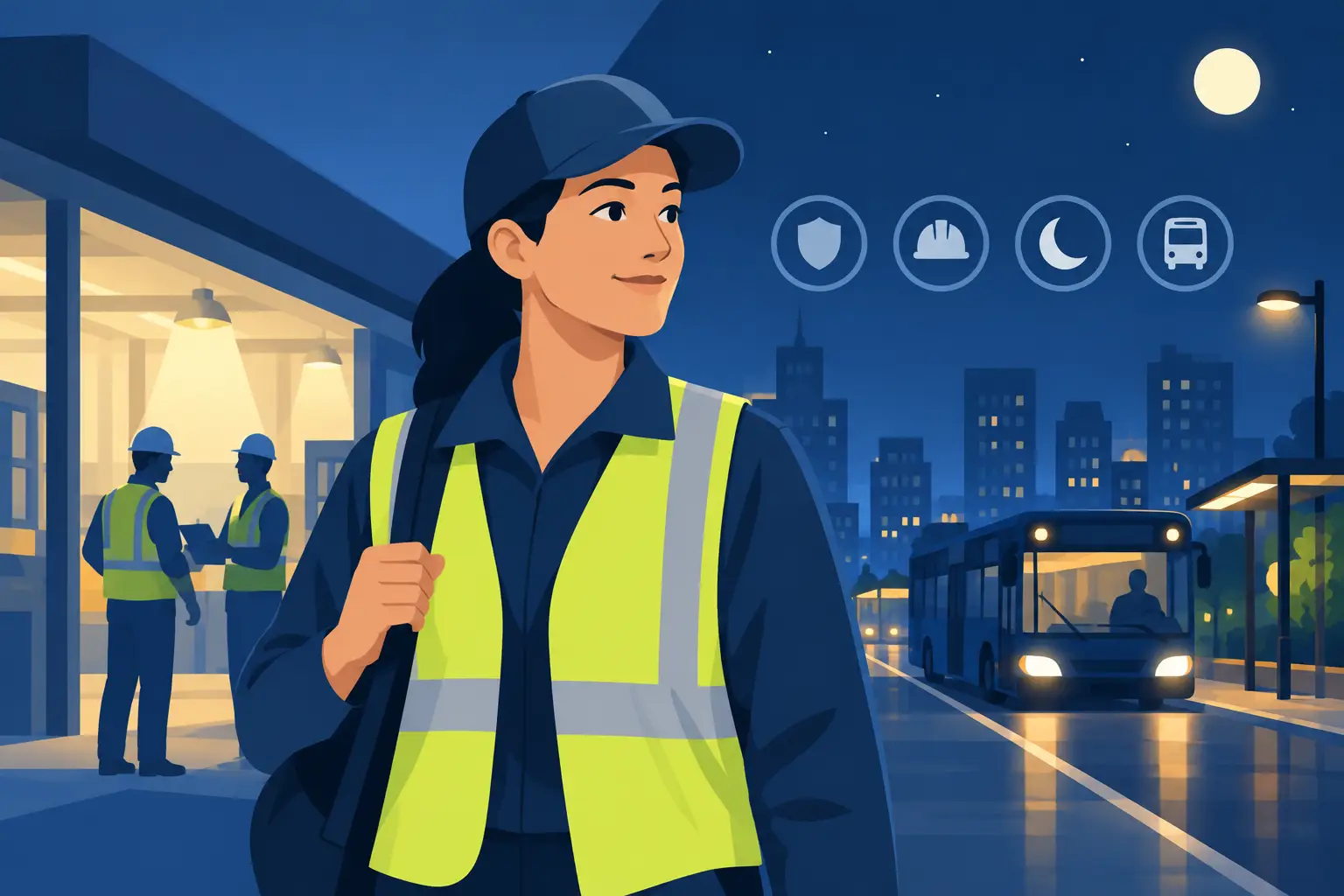
The parking lot is often the part of a late shift no one plans for. You are tired, your hands may be full, and the building that felt secure an hour ago is now behind a locked door. Effective night worker safety is not about living in fear. It is about building a few deliberate habits that keep you alert, visible, and ready to make good decisions when fewer people are around.
Whether you work in health care, retail, hospitality, manufacturing, delivery, security, or an office that runs late, your safety plan should cover more than the hours on the clock. It should begin before you leave home and continue until you are safely inside again.
Night Worker Safety Starts Before You Clock In
A safer shift begins with preparation, not a reaction in a dark parking lot. Before leaving for work, check your phone battery, confirm your transportation plan, and make sure someone you trust knows when your shift ends. If you use a car, park in a location that gives you the clearest possible route to the entrance, even if that means walking a little farther during daylight.
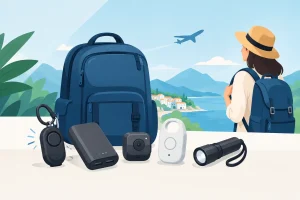
Keep your everyday carry simple and consistent. Searching through a crowded bag for keys, a flashlight, or a safety device wastes time and divides your attention. Put essential items in the same accessible place every day. A compact safety light can help you spot hazards, find dropped keys, and signal for attention. It also makes you more visible when crossing a lot or walking near traffic.
Your workplace may have policies on personal safety equipment. Know them before bringing anything to work. If you choose to carry pepper spray or another self-defense tool where legal, learn your state and local rules, practice using it safely, and keep it accessible without displaying it unnecessarily. A tool is not a substitute for awareness, but it can give you options if avoiding a threat is no longer possible.
Treat the Commute as Part of the Shift
The commute is where routine can become risky. A familiar route may feel safe simply because you have used it a hundred times, but late-night conditions change quickly. Stores close, foot traffic drops, public transit schedules thin out, and isolated areas become harder to avoid.
Whenever possible, choose well-lit routes with open businesses, active streets, and reliable cell service. Let a coworker know if you are walking to your car alone, or walk out together. For employees who close a business, managers should avoid making one person responsible for locking up and carrying deposits alone. Two-person closing procedures are practical protection, not overkill.
If you take public transportation, wait near other riders or in a designated, well-lit area. Stay alert rather than burying yourself in a screen. Keep one ear free if you listen to audio, and stand where you can see people approaching. On a rideshare pickup, verify the vehicle and driver details before getting in. Never announce your name first. Ask the driver who they are picking up.
For drivers, get in the habit of checking around and inside your vehicle before entering. Have your keys ready before you reach the door, get in promptly, lock the doors, and leave without sitting in the parking lot scrolling on your phone. If something about the area feels wrong, trust that signal. Return to the building, call a trusted person, or request an escort rather than forcing yourself to continue.
Use Awareness Without Becoming Anxious
Situational awareness is simply the habit of noticing what is happening around you. It does not mean staring suspiciously at everyone. It means staying present enough to recognize when a situation is unusual.
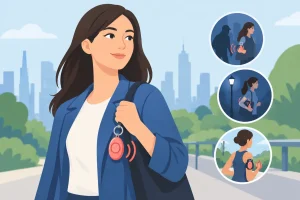
As you walk, scan ahead and behind you periodically. Notice vehicles that are idling nearby, people changing direction to match yours, blocked pathways, poor lighting, and exits you could use if needed. Keep your head up. Confident body language will not prevent every threat, but it can make you look less distracted and less approachable to someone seeking an easy target.
Pay attention to your instincts, especially when a person tries to rush your decision. Someone asking for help may be genuine, but you can keep distance while offering to call emergency services or security. You do not owe a stranger access to your personal space, your vehicle, or your workplace after hours.
Avoid predictable routines when you can. If you always take the same break at the same time or always use the same door, small changes can reduce your predictability. This does not require a dramatic lifestyle overhaul. Switching your parking area, varying your route, or coordinating breaks with a coworker can make a meaningful difference.
Make Your Workplace Harder to Exploit
Employers have a responsibility to provide a safe working environment, and employees should feel empowered to report gaps before they become incidents. Burned-out exterior lights, broken locks, obscured cameras, unsecured side doors, and blind spots in a parking area deserve immediate attention. Document concerns and bring them to a supervisor, property manager, or safety representative in writing when possible.
For lone workers, a check-in system is one of the most effective protections available. It can be as simple as a scheduled text, phone call, radio contact, or app-based check-in at agreed times. The key is having a clear response plan if someone does not check in. A missed check-in should never be treated as something to address at the end of the shift.
Workplace security also depends on small habits. Do not prop open locked doors for convenience. Do not share access codes, badges, or alarm details. Challenge unfamiliar people in restricted spaces when it is safe to do so, or report them to management or security. Convenience can create openings that the wrong person will notice.
If your job involves accepting payments, handling deliveries, or meeting the public after dark, keep cash exposure low and maintain clear sightlines around the counter or work area. Do not let a difficult customer pull you into an isolated space. Call for support early. There is no prize for handling a threatening situation alone.
Choose Safety Tools You Can Use Under Stress
The best personal safety tool is one you can reach, understand, and use responsibly. Fancy features do not matter if the device is buried in a backpack or requires complicated steps when your hands are shaking.
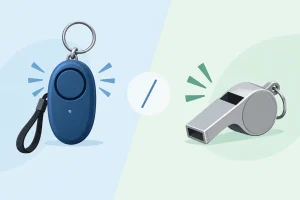
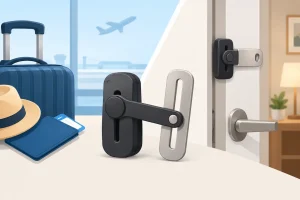
A bright personal safety light is useful for nearly every night worker because it supports prevention: visibility, navigation, and attention-getting. Door and window alarms can add protection for workers who return to an empty home, apartment, or hotel room after a shift. Personal alarms can also be valuable in places where carrying defensive sprays is restricted.
Defensive tools such as pepper spray, stun devices, or tactical pens require more consideration. Laws vary by state and city, and employer rules may be stricter than local law. Choose only what you can legally carry, commit to learning its safe operation, and understand that distance and escape are still the priority. Elite Warrior Defense offers practical personal-security options for people who want to prepare without overcomplicating their routine.
Never rely on a safety device as permission to enter a dangerous situation. The goal is to create time and distance so you can get away, find other people, and contact emergency services.
If Something Feels Wrong, Act Early
Many unsafe situations can be interrupted before they escalate. If you notice someone following you, do not go straight to your car or home. Move toward a staffed business, security desk, group of people, or well-lit public area. Call 911 if you believe you are in immediate danger. If you are driving and think you are being followed, do not drive home. Go to a police station, fire station, or busy open business.
If a confrontation happens, focus on getting away rather than winning an argument or protecting property. Create distance, use your voice to draw attention if it is safe to do so, and move toward people and light. Once you are safe, report what happened while details are fresh. Note descriptions, direction of travel, vehicle information, and the time and location.
Working nights should not require accepting unnecessary risk as part of the job. A charged phone, a visible route, reliable check-ins, and a practiced plan can change how prepared you feel after dark. Take your safety seriously before the shift starts, because confidence is strongest when it is backed by action.