
You don’t need a “tactical” budget to protect yourself. What you need is a simple tool you can access fast, operate under stress, and carry legally where you live. Most self-defense failures aren’t about power—they’re about hesitation, poor carry choices, or buying something you’ll never train with.
Affordable self defense weapons can absolutely be effective. The trick is buying the right type for your lifestyle and committing to a few minutes of practice so it’s there when you need it.
Price matters, but the cheapest option is only a deal if it works when your hands are shaking and your heart rate is spiking. A good budget-friendly self-defense tool should be dependable, intuitive, and realistic for your daily routine.
Reliability is non-negotiable. If it requires perfect conditions—like ideal grip strength, perfect distance, or a calm environment—it’s not the right choice. Ease of access is just as important. If it’s buried at the bottom of a bag with headphones and lip balm, it’s basically a paperweight when you’re approached in a parking lot.
Finally, “affordable” should include the cost of maintenance and replacement. Some items expire, some need batteries, and some should be replaced after use or training. Factor that in up front so you aren’t left carrying something that quietly stopped working months ago.
There’s no single best tool. Your best option depends on where you go, what you wear, and what you’re willing to actually carry every day. The items below are popular for one reason: they’re practical.
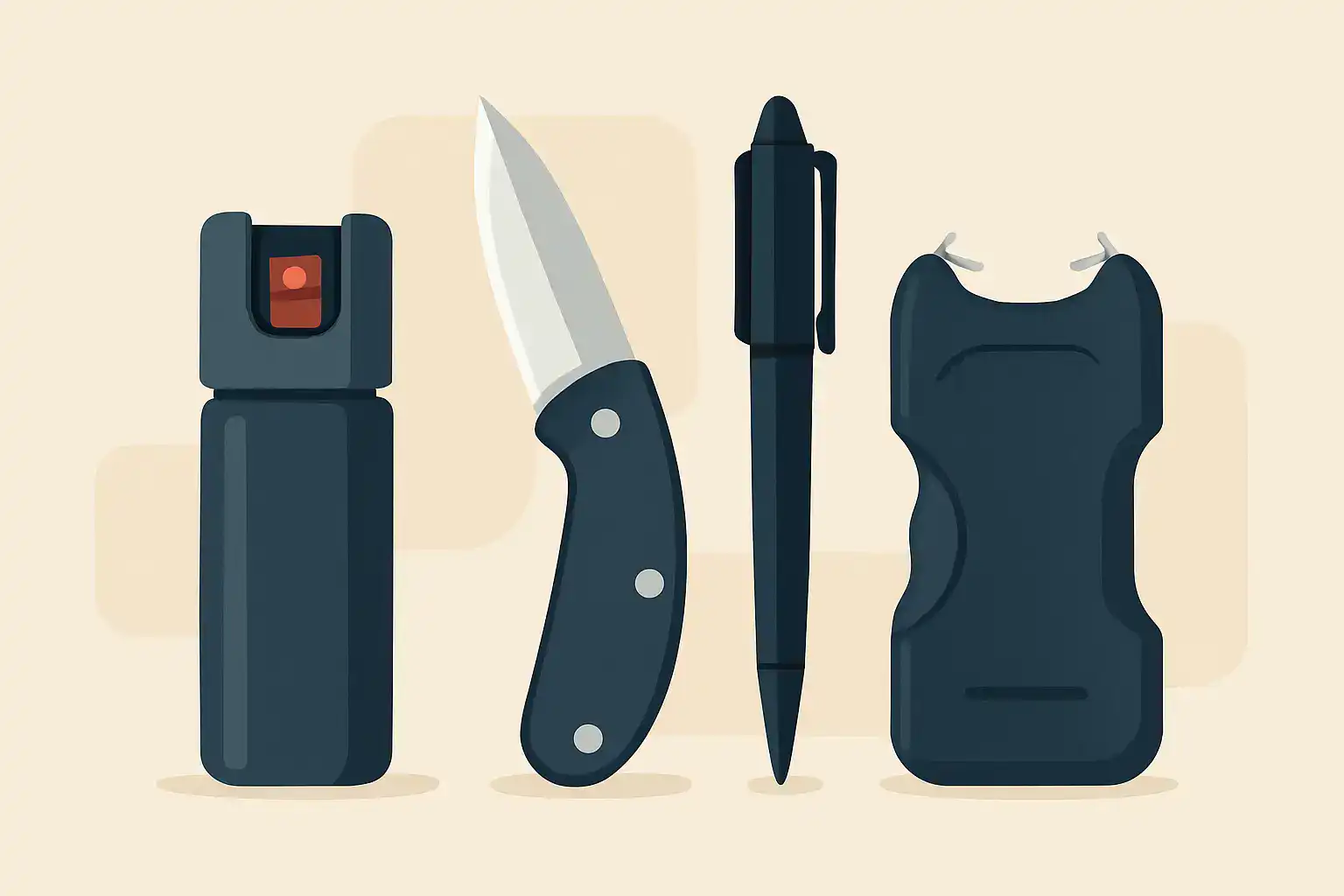
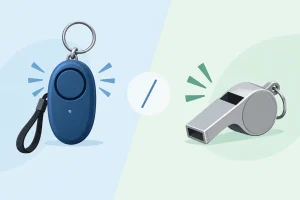
Pepper spray is one of the most accessible choices because it doesn’t require you to overpower someone. It creates a window to escape—burning eyes, coughing, and disorientation—without needing close contact.
The trade-off is that you must aim and you must understand distance. Wind can blow it back, tight spaces can increase exposure, and some people can fight through it. That doesn’t make it “weak”; it means you should treat it like a serious tool and practice your draw.
If you want the most out of pepper spray, choose a size you’ll actually carry and place it where your hand naturally goes. A keychain carry can work if you keep it in your hand while walking to your car. A purse carry can work if it’s in a dedicated pocket and you rehearse retrieving it.
Stun guns can be an effective deterrent, especially when the device produces a strong warning sound. They’re also budget-friendly compared to many alternatives.
The real-world limitation is distance. A stun gun typically requires close contact to be effective, which means you’re letting someone into your space. That can be a dealbreaker for some people, and it’s why a lot of confident carriers pair the concept of “deterrence” with an escape plan: you’re creating separation and leaving, not trying to “win.”
Battery readiness matters here. If you choose a stun device, make recharging or battery checks part of your routine. A defensive tool that isn’t charged is just extra weight.
A tactical pen is one of the most underrated options for affordability and carry consistency. It looks normal, it can ride in a pocket or bag, and it doesn’t expire. In a worst-case scenario, it can be used as a striking tool and as a way to create space.
The trade-off is that a pen demands willingness to get physical and some basic understanding of targeting and force. If you’re not prepared for close range, a tactical pen may be better as a “last-ditch” backup rather than your primary plan.
If you like the idea, commit to training your grip and draw. Under stress, small objects can slip or get fumbled unless you’ve rehearsed.
Keychain self-defense tools are popular because they’re inexpensive and easy to keep within reach—especially when you’re moving through transitional spaces like parking lots, stairwells, or apartment hallways.
Their strength is readiness: you can have them in-hand without looking “weird” because you’re holding your keys anyway. The limitation is the same as most close-range tools: you need to be willing to act decisively, and you need to avoid placing yourself in grappling distance when you could have left earlier.
If you carry a keychain tool, avoid letting it become just another accessory. It should be positioned so you can orient it instantly, even in the dark.
Personal safety doesn’t stop at your front door. Affordable home security isn’t about turning your house into a fortress. It’s about adding layers that buy you time and create decision points for an intruder.
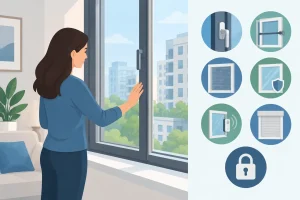
A basic door or window alarm can deliver a big payoff for a small cost. The goal isn’t only noise—it’s awareness. If you’re asleep or in another room, early warning changes everything.
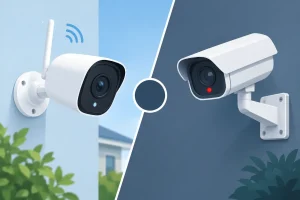
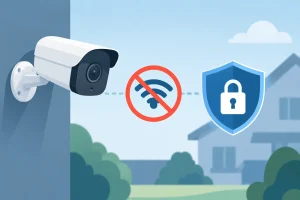
Dummy cameras can also be surprisingly effective as a deterrent. They won’t capture evidence, but deterrence is often the point. When someone believes they’re being watched, they may choose an easier target.
Diversion safes are another budget-smart move. They don’t replace a true safe for valuables, but they can protect small, high-risk items by hiding them in plain sight. The strongest security choice is often the one a thief never notices.
You’re not buying a movie prop. You’re building a habit. Start with two questions: “Where will I carry it?” and “Will I practice with it?” If you can’t answer both confidently, keep looking.
Next, consider your environment. If you commute early, walk a dog at night, or work in areas with limited lighting, quick-access tools matter more than “maximum force.” If you travel often or enter locations with strict rules, you need something that fits your legal and workplace reality.
Also be honest about physical distance. If you strongly prefer to keep people out of your space, prioritize tools designed to create distance. If you’re comfortable with a close-range option, build a plan that includes verbal boundaries, movement, and escape—not just the tool.
You don’t need a dojo membership to get better. You need repetition.
Practice your draw. Not once. Not “when you remember.” A few reps a week builds speed and confidence without turning your life into a training program. Practice from the exact place you carry—pocket, bag, jacket, waistband—because your body learns context.
Train your voice, too. Most people freeze because they don’t want to “cause a scene.” A strong command like “Back up!” isn’t rude—it’s a boundary. Your voice can stop a situation from escalating and it can alert others nearby.
Finally, decide your line ahead of time. If your plan is “I’ll figure it out,” you’ll lose time when seconds matter. Your plan should be simple: create distance, use the tool if necessary, and leave.
Self-defense tools are regulated differently across states and even cities. Some items may have restrictions related to size, concentration, carry locations, or age. You’re responsible for knowing your local rules.
Safety is just as important. Don’t “test” pepper spray indoors. Don’t leave defensive tools where children can access them. Don’t carry a device you can’t operate correctly.
And don’t let confidence turn into risk. Carrying protection is not permission to take chances. The strongest move is avoiding the problem before it becomes a fight.
The biggest mistake is buying something and never carrying it. A tool on your nightstand won’t help you in a parking lot. The second biggest is carrying it in a way you can’t access quickly—buried in a purse, clipped inside a bag you never unzip, or attached to keys that stay in a cupholder.
Another mistake is choosing a tool that doesn’t fit your temperament. If you know you won’t use a close-range option, don’t force it. Choose something that matches your comfort level and then build skill around it.
Last, people forget maintenance. Pepper spray expires. Batteries die. Replace and recharge on a schedule so you’re not gambling on luck.
You can find budget-friendly self-defense and home security tools in one place at Elite Warrior Defense, with a focus on practical products designed for real-life carry and everyday protection.
Choose one tool you’ll actually keep on you, practice accessing it until it feels automatic, and carry yourself like someone who’s paying attention—because the most affordable advantage you’ll ever have is readiness.

YOU’RE IN!
Use this code on every order
🎉
Here’s Your Code!
Use it now an on every future order.
YOUR DISCOUNT CODE
We also sent this code to your email for safekeeping.
EXCLUSIVE OFFER
Every order – not just your first!
Unlock Your Discount Instantly
Enter your email below and your personal 15% discount code appears right here – no need to check your inbox.
🔒 We respect your privacy. Unsubscribe anytime.