A locked apartment door is a starting point, not a complete security plan. This apartment security devices checklist helps renters identify the weak spots that matter most: the front door, accessible windows, packages left in common areas, and the moments you arrive or leave alone. The goal is not to turn your home into a fortress. It is to add practical layers that discourage trouble, alert you quickly, and help you feel more in control.
Start With a Renter-Safe Security Assessment
Walk through your apartment as if you were seeing it for the first time. Stand in the hallway and look at your entry door. Does it have a deadbolt? Is there a wide gap around the frame? Can someone see inside through a peephole or nearby window? Then check every window, balcony door, patio entrance, and any door connecting to a garage or shared hallway.
Focus on how someone could enter, not just whether the lock turns. A door with a basic lock can still be vulnerable if the frame is weak, the strike plate is loose, or the door is frequently opened for deliveries and guests. Windows deserve the same attention, especially those on a ground floor, near a fire escape, or hidden by landscaping.
Renters also need to think about lease rules. Permanent changes to locks, door frames, wiring, or exterior fixtures may require written approval from a landlord. Fortunately, many effective devices are portable, adhesive-mounted, battery-powered, or simple to remove when you move out.
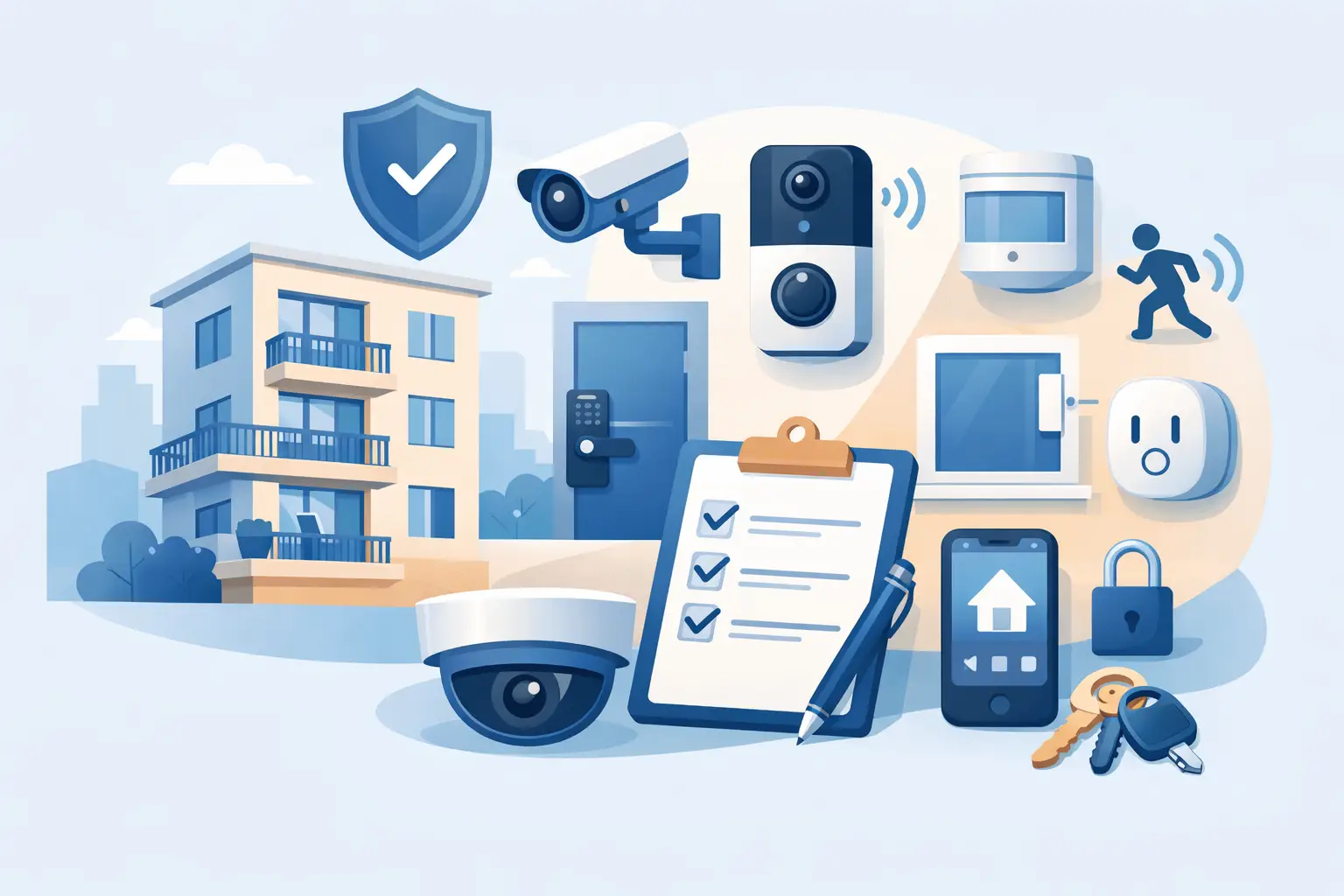
Apartment Security Devices Checklist for Every Entry Point
Start with the devices that protect your most likely access points. You do not need every item at once. Choose the layers that address the risks in your specific apartment.
- Door alarm: A contact alarm sounds when a door or window opens. It is affordable, easy to install, and especially useful for secondary entrances, patio doors, and windows that may be overlooked. A loud alarm can draw attention and make an intruder abandon the attempt.
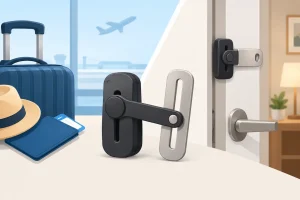
- Portable door lock or door jammer: These devices add resistance from inside the apartment while you are home. They can be valuable for people who live alone, travel frequently, or want added confidence at night. Use them only when they do not interfere with a safe emergency exit. Never secure yourself in a way that could delay escape during a fire or other emergency.
- Window alarms and window locks: A window alarm provides notice when glass is opened or a window is lifted. A supplemental window lock can limit how far a window opens, which can help with both security and child safety. Make sure any window used as an emergency exit can still be opened quickly when necessary.
- Motion-activated safety light: Poor lighting makes it easier for someone to approach unnoticed. A battery-powered motion light near a private patio, balcony, entryway, or dark interior hall can make a meaningful difference. For shared exterior areas, ask property management before mounting anything outside your unit.
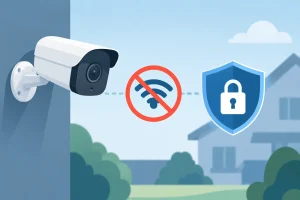
- Indoor security camera: A camera aimed at your entryway can help you see when a package arrives, confirm whether a door was opened, or check on pets while you are away. Place cameras only inside spaces you control. Do not point them into neighbors’ homes, shared hallways, bathrooms, or areas where people reasonably expect privacy.
- Door viewer or peephole camera: Knowing who is outside before opening the door is a basic safety advantage. If your apartment already has a peephole, use it. A camera-based viewer may provide a clearer view, but check your lease and local rules before altering the door or recording a shared corridor.
These devices work best as a system. A door alarm alerts you, a door jammer gives you extra resistance while inside, and a camera or viewer helps you make a safer decision before opening the door. One device can help. Several simple layers make the opportunity less attractive.
Do Not Overlook the Door Frame
The lock may be strong, but the door frame is often the real point of failure. Check whether the screws in the strike plate are loose or unusually short. If you want to add a reinforced strike plate or longer screws, get landlord permission first. This is a small upgrade with real value, but it changes property hardware and should be handled correctly.
If a lock, frame, hinge, or sliding door latch looks damaged, report it in writing. Basic maintenance is not an optional favor from a landlord. A functioning exterior door and lock are fundamental safety needs.
Protect Packages and Everyday Privacy
Package theft is a frustrating apartment reality, particularly when deliveries are left in unsecured lobbies or outside doors. If your building offers a locker system, package room, concierge, or delivery instructions, use those options. When possible, schedule deliveries for times you are home or choose a secure pickup location.
An indoor camera facing your own front door can provide useful documentation if a package is taken after delivery. It should not be treated as a substitute for a secure delivery plan. Cameras record evidence after an event. Prevention starts with reducing the time a package sits unattended.
Privacy matters, too. Keep blinds or curtains closed when you are out or after dark if your unit is visible from the street or another building. Avoid leaving spare keys under mats, in planters, or in obvious diversion spots near your door. A diversion safe can be useful inside your apartment for small valuables, but it should not be the only place you protect important documents, cash, or backup keys.
Build a Personal Safety Layer for Coming and Going
Apartment security does not stop at your door. The walk from the parking lot, elevator, stairwell, or mailroom can be the part of the day when you feel most exposed. Carry a charged phone, stay aware of your surroundings, and avoid getting distracted while searching for keys.
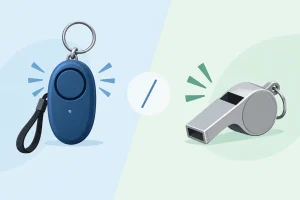
A compact safety light can help you see dark paths, locate a dropped item, or signal for attention. Depending on your state and local laws, legal self-defense tools such as pepper spray or a personal alarm may also be appropriate additions to your routine. Choose tools you can access quickly and use confidently. A device buried at the bottom of a bag is less useful than one carried consistently.
If you carry pepper spray or a stun device, read the instructions before you need it. Check expiration dates on sprays, keep devices charged where applicable, and understand the laws where you live and travel. Responsible preparation is part of effective protection.
Install Devices Without Creating New Problems
Before applying adhesive sensors or mounting a camera, clean the surface and test placement. A window alarm should not be positioned where normal vibration constantly triggers it. A motion light should illuminate an approach path without shining directly into a neighbor’s unit. A camera should capture your doorway without recording more shared space than necessary.
Test every device after installation and then test it again monthly. Replace batteries on a schedule rather than waiting for a low-battery chirp. Keep a small note in your phone listing battery types, installation dates, and any access codes. This takes minutes and prevents the common problem of discovering a dead alarm after something has already happened.
Also tell trusted household members how the devices work. An alarm that surprises a roommate, partner, or pet sitter can quickly become ignored. Clear expectations keep security tools useful instead of inconvenient.
Make Your Checklist a Habit, Not a One-Time Purchase
The strongest apartment security plan combines devices with everyday decisions. Lock doors and windows even during short trips to the laundry room. Do not buzz in unknown visitors. Verify maintenance workers through your property manager when possible, and keep valuables out of plain view from windows.
Security does not require fear. It requires attention, preparation, and tools that fit the way you actually live. Start with the entry point that concerns you most, test the device until its use feels automatic, and add the next layer when you are ready. A few smart choices can make your apartment feel less vulnerable and your daily routine far more confident.