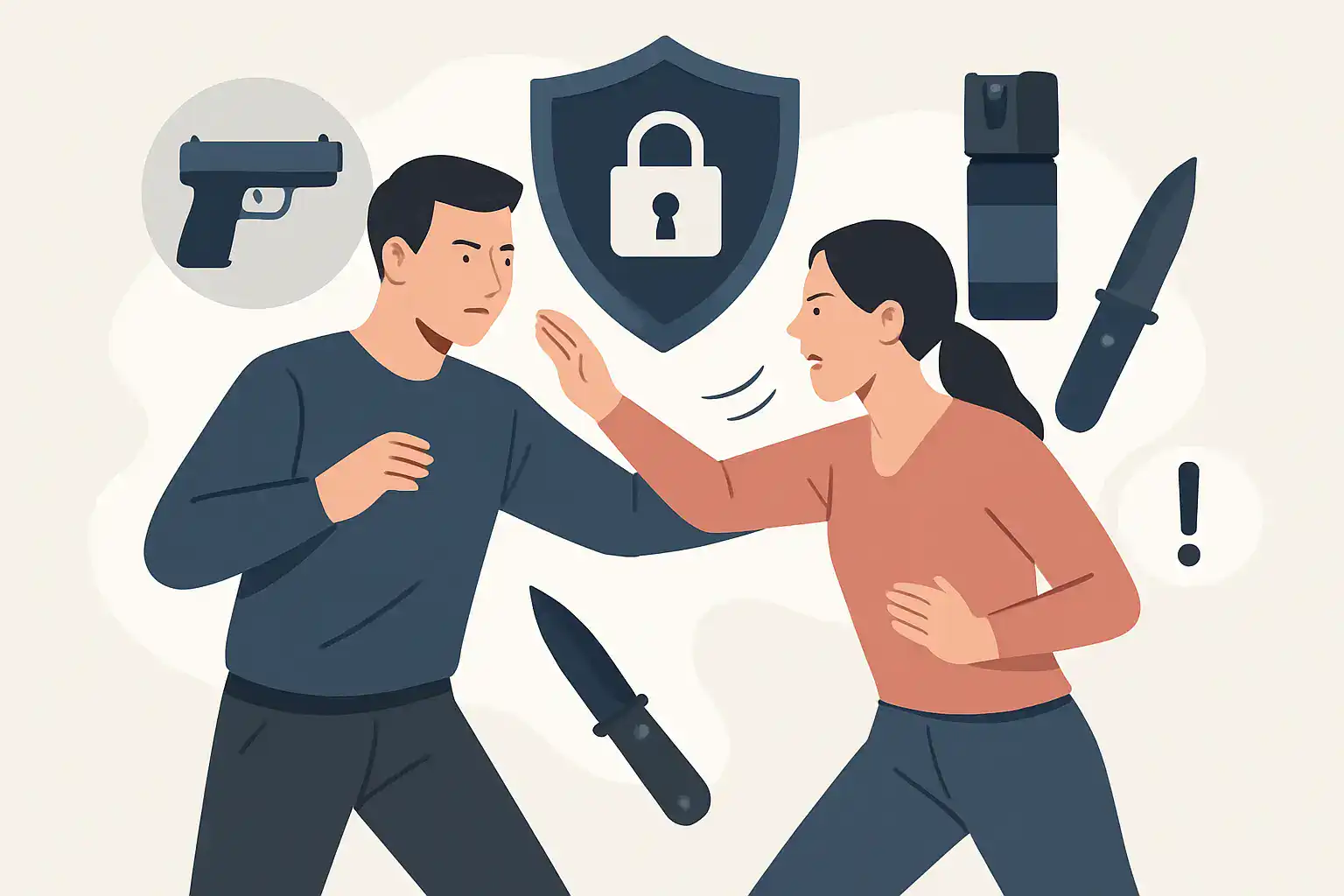
Self-defense isn’t just about strength or aggression—it’s about strategy, awareness, and preparation. When you contemplate the question, “What is the best self-defense?”, the answer isn’t one-size-fits-all. Different situations call for different measures, and personal preferences play a significant role in your self-defense strategy. This article examines various methods and technologies to safeguard yourself and your surroundings, empowering you with knowledge and tools to make confident decisions.
Understanding Self-Defense
Before exploring the best methods, it’s crucial to recognize what self-defense encompasses. It ranges from physical techniques and martial arts to non-physical strategies like verbal de-escalation and psychological readiness. Defensive devices and home security systems also form a significant part of the self-defense ecosystem.
When considering self-defense, weighing the trade-offs between physical involvement and the use of devices is essential. Some individuals might prefer hands-on techniques, while others may feel more comfortable leveraging technology or simple tools to ensure their safety.
Physical Self-Defense Techniques
Martial Arts
Martial arts offer structured training for people looking to enhance their self-defense capabilities. Disciplines like Krav Maga, Brazilian Jiu-Jitsu, and Muay Thai emphasize practical techniques that can be effective in real-world scenarios.
Krav Maga
Originating from the Israeli military, Krav Maga combines boxing, wrestling, judo, and aikido. Known for its focus on real-world applications, this discipline is ideal for those seeking efficiency and effectiveness in self-defense. Its adaptability makes it suitable for various situations, rendering it a popular choice for many.
Brazilian Jiu-Jitsu
This discipline emphasizes grappling and ground fighting, teaching individuals how to tackle bigger opponents through leverage and technique rather than strength. It’s particularly effective in one-on-one encounters.
Muay Thai
Renowned for its aggressive style using the “eight limbs”—fists, elbows, knees, and shins—Muay Thai is indispensable for those looking to defend themselves through strikes.
While martial arts provide a solid foundation in self-defense, they require commitment and practice to master. The time and physical demand might not appeal to everyone, leading many to consider other complementary or alternative methods.
Technological and Tool-Based Self-Defense
Pepper Sprays and Stun Guns
Non-lethal yet effective, pepper sprays and stun guns are popular self-defense tools. They offer protection at a distance and are compact enough to carry discreetly.
- Pepper Spray: Causes temporary blindness and difficulty breathing, buying you time to escape.
- Stun Gun: Delivers an electric shock that temporarily incapacitates an assailant.
Tactical Pens
Tactical pens are discrete, practical, and useful in both self-defense and everyday scenarios. They function as regular pens while serving as a robust tool to fend off attackers in close-quarters.
Personal Alarms
These devices emit loud noises to deter attackers and alert others to help you. They require no physical confrontation or expertise, making them ideal for immediate threats.
Home Security Systems
A significant part of self-defense is ensuring your immediate environment is secure. Reliable home security systems, which include alarms, cameras, and sensors, are crucial for early detection and deterrence of potential intruders.
Diversion Safes
Intruders often seek valuables quickly. Diversion safes disguised as everyday items (hairbrushes, books, etc.) create an additional security layer by hiding important possessions inconspicuously.
Incorporating tool-based self-defense is often less about physical prowess and more about intelligence and preparation. These methods provide effective deterrence while being affordable and accessible.
The Strategic Aspect of Self-Defense
Situational Awareness
Being aware of your surroundings and understanding potential threats is foundational to self-defense. This involves:
- Recognizing changes in behavior or anomalies in familiar settings
- Identifying potential escape routes
- Understanding environments to avoid unnecessary risks
De-Escalation Techniques
In many situations, verbal de-escalation can prevent conflicts. Techniques include:
- Maintaining a calm and assertive voice
- Practicing active listening
- Using non-threatening body language
These strategies help defuse high-tension situations, preventing the need to resort to physical defense.
Psychological Preparedness
Mental resilience forms a crucial part of self-defense. Training your mind ensures you’re prepared for stressful encounters, enhancing your ability to remain calm and make decisive actions.
Integrating Methods for Optimal Self-Defense
To truly answer “What is the best self-defense?”, one should consider an integrated approach. A blend of physical techniques, tools, and strategic thinking creates a comprehensive defense strategy tailored to your environment and comfort level.
Customizing Your Self-Defense Strategy
When crafting a personalized self-defense plan, consider:
- Lifestyle: Your daily routines and environments influence the suitability of certain methods.
- Physical Capabilities: Choose strategies aligned with your fitness and comfort levels.
- Legal Considerations: Understand local laws regarding self-defense tools and actions.
Continuous Learning and Adaptation
Effective self-defense is a continuous journey, requiring:
- Regular practice of chosen techniques
- Staying updated with new tools and technologies
- Reflecting on and adjusting strategies as personal and external circumstances change
Empowerment through Self-Defense
Ultimately, self-defense is about empowerment and confidence in your ability to protect yourself and your surroundings. While the above methods and tools provide a strong foundation, choosing products from reputable sources like Elite Warrior Defense can enhance your preparedness further [https://elitewarriordefense.com/]. By prioritizing quality and accessibility, such providers ensure contributing effectively to the safety solutions landscape.
Closing Thoughts
The best self-defense method is subjective and often a combination of multiple approaches personalized to fit individual needs and lifestyles. Whether through martial arts, tools, or strategic thinking, the goal remains the same: to protect yourself effectively and with confidence. Invest time in learning, practicing, and preparing, ensuring your peace of mind in any situation.