Having a secure home isn’t just about protecting your assets; it’s about ensuring peace of mind for you and your loved ones. Adding a DIY home security system can be an empowering step that combines affordability with control, allowing you to tailor your security setup to your unique needs.
Why Choose a DIY Home Security System?
Traditional home security systems, while effective, often come with hefty price tags and can be overly complex with numerous installation hurdles. DIY home security offers an alternative where you can design and implement a customized security solution without being locked into expensive contracts or dealing with invasive installations.
Flexibility and Customization
When you opt for a DIY system, you have the freedom to choose exactly how you want to secure each area of your house. From cameras and sensors to alarms and locks, every element is designed to fit seamlessly into your lifestyle. Whether you are securing a small apartment or a sprawling estate, DIY systems grow with your needs.
Cost-Effective Solutions
By eliminating installation fees and monthly service charges, DIY systems can be significantly cheaper than their professionally installed counterparts. This affordability allows you to allocate more resources toward higher-quality equipment or additional features to further enhance your security.
Key Components of a DIY Home Security System
Cameras
Security cameras serve as the eyes on your property. With advancements in technology, many modern systems offer smart cameras with motion detection, night vision, and remote viewing capabilities. When setting up your cameras:
- Placement is crucial: Position cameras in key areas such as entrances, driveways, and any other points of access.
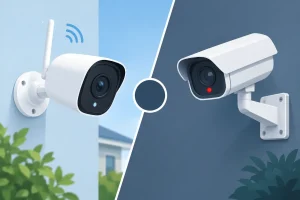
- Choose the right type: Options include wireless indoor cameras, outdoor models with weatherproofing, and doorbell cameras with two-way audio.
Sensors
Door and window sensors are essential for detecting unauthorized entry. These sensors can alert you instantly via smartphone notifications:
- Magnetic sensors: The most common type, triggered when the contact is broken between the sensor and the magnet.
- Glass break sensors: Detect the sound of breaking glass and can alert you to a breach, even if the intruder hasn’t entered yet.
Alarms
An effective alarm system doesn’t just alert you—it deters potential intruders. You can choose from a variety of options:
- Audible alarms: These sound loud sirens to scare off intruders and alert neighbors.
- Silent alarms: Notify you and/or monitoring services without tipping off the intruder that they’ve been detected.
Smart Locks
Integrated smart locks can provide an additional layer of security, allowing you to lock and unlock doors from anywhere using your smartphone or voice control through devices like Amazon Alexa or Google Assistant.
Setting Up Your DIY System
Planning is a crucial step in setting up a DIY home security system. Before purchasing equipment, evaluate your home’s specific security needs. Here are some steps to guide you:
Conduct a Home Security Assessment
- Identify potential vulnerabilities: Walk around your home and identify areas that are prone to break-ins, such as obscured entrances or windows.
- Consider traffic patterns: Understand the flow of movement around and through your property to determine the ideal placement for sensors and cameras.
Purchase Equipment
Once you’ve mapped out your security needs, select equipment that addresses these areas effectively. Consider purchasing individual components that integrate with a central hub for streamlined operation.
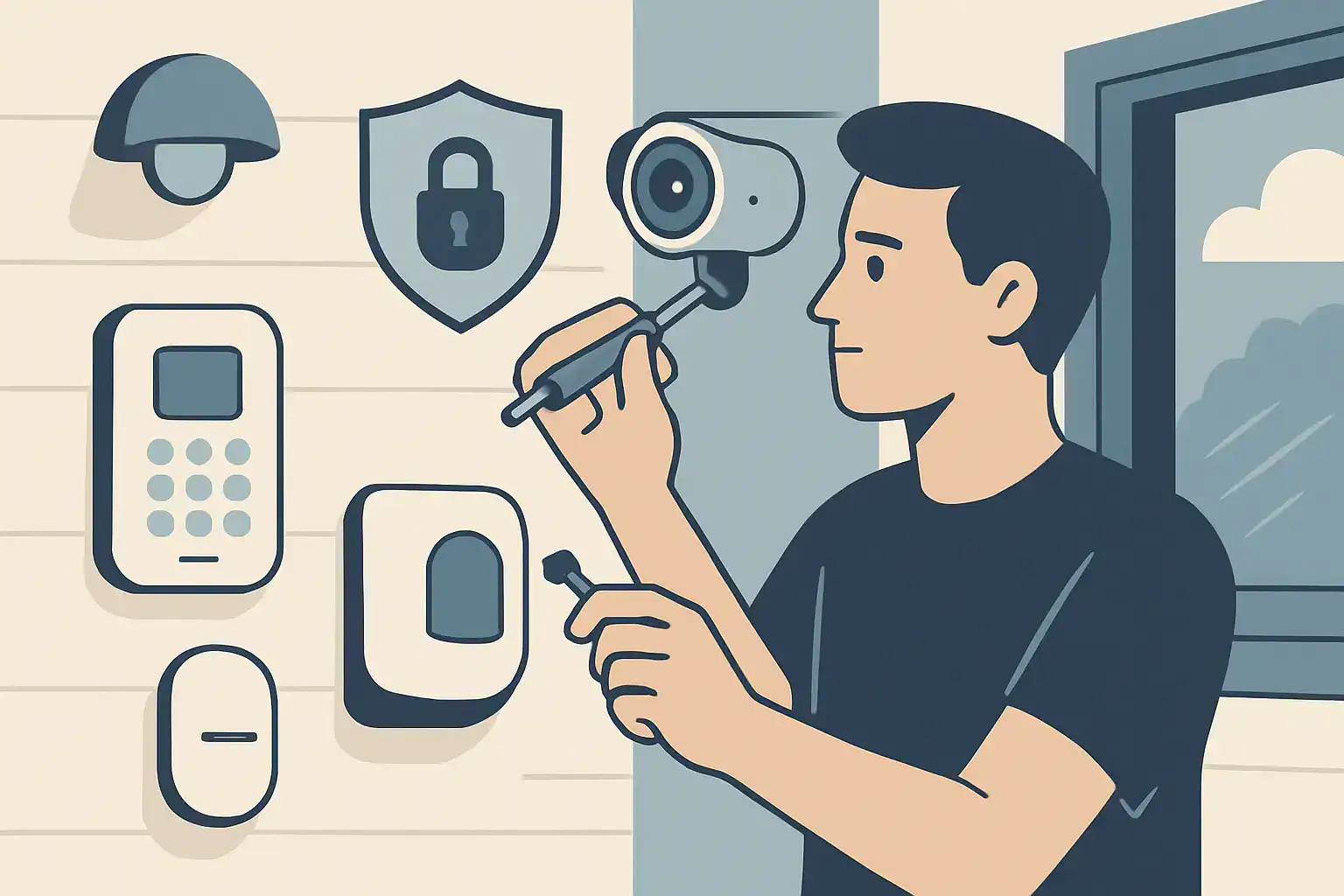
Installation
- Cameras: Secure cameras at high points using mounts or brackets. Test to ensure you have optimal coverage and that video feeds are clear.
- Sensors: Install door/window sensors according to manufacturer’s instructions, ensuring they’re positioned to maximize detection.
- Alarms: Connect sirens and alarms to your security hub so they’re operational and can trigger appropriately.
Configuration and Testing
Set up each device through its app or control panel. Ensure all alerts are correctly sent to your phone or chosen device, and regularly test each component to verify functionality.
Enhancing Your DIY Home Security System
To maximize the effectiveness of your DIY system, consider incorporating additional features:
Home Automation Integration
Integrate your DIY system with smart home devices for added convenience:
- Lighting controls: Program lights to simulate occupancy and deter potential burglars.
- Thermostats and appliances: Manage energy use remotely and give the impression that you’re home even when you’re not.
Enhanced Monitoring
While many opt for complete DIY systems, some individuals may choose to include professional monitoring services for extra peace of mind. Such services offer 24/7 monitoring and dispatch emergency responders when necessary.
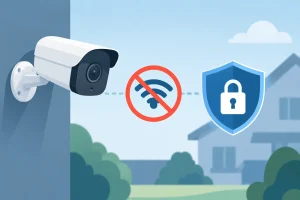
Cybersecurity Measures
Protecting your security system from hacking is as important as fending off physical threats:
- Secure your network: Use strong, unique passwords and change them regularly.
- Update firmware: Keep the software for your security devices up-to-date to protect against vulnerabilities.
Trade-offs and Considerations
While DIY systems offer many advantages, there are trade-offs worth considering:
- Technical Challenges: If you’re not comfortable with technology, setting up a security system might prove challenging. However, many systems are designed to be user-friendly and come with detailed instructions.
- Monitoring: DIY systems that don’t include professional monitoring rely on you to respond to alerts. This might suffice for some, but not all.
Considering these aspects will help you design a system that best fits your needs.
Making the Decision
Choosing a DIY home security system empowers you with control over your safety while providing an affordable route to peace of mind. With the right setup, you can deter potential intruders and rapidly respond to threats, maintaining the security and sanctuary of your home.
Embark on your DIY journey by exploring Elite Warrior Defense for a wide range of accessible and effective security products tailored to protect what’s most valuable: your well-being. Remember, investing in security is an investment in peace of mind.
Building Towards Better Security
The landscape of home security continues to evolve with technology. By staying informed and upgrading your system accordingly, you can face emerging threats head-on. Not only does this enhance your immediate security—it cultivates a proactive mindset that feeds into a culture of vigilance and safety.
DIY systems are perfect fits for those seeking autonomy, adaptability, and a hands-on approach to home security. This journey isn’t just about setting up alarms and sensors; it’s an ongoing process that aligns with evolving security challenges and individual lifestyles.
As you explore different components and strategies, make sure your security system grows with your needs and continues to provide you with confidence and reassurance for years to come.