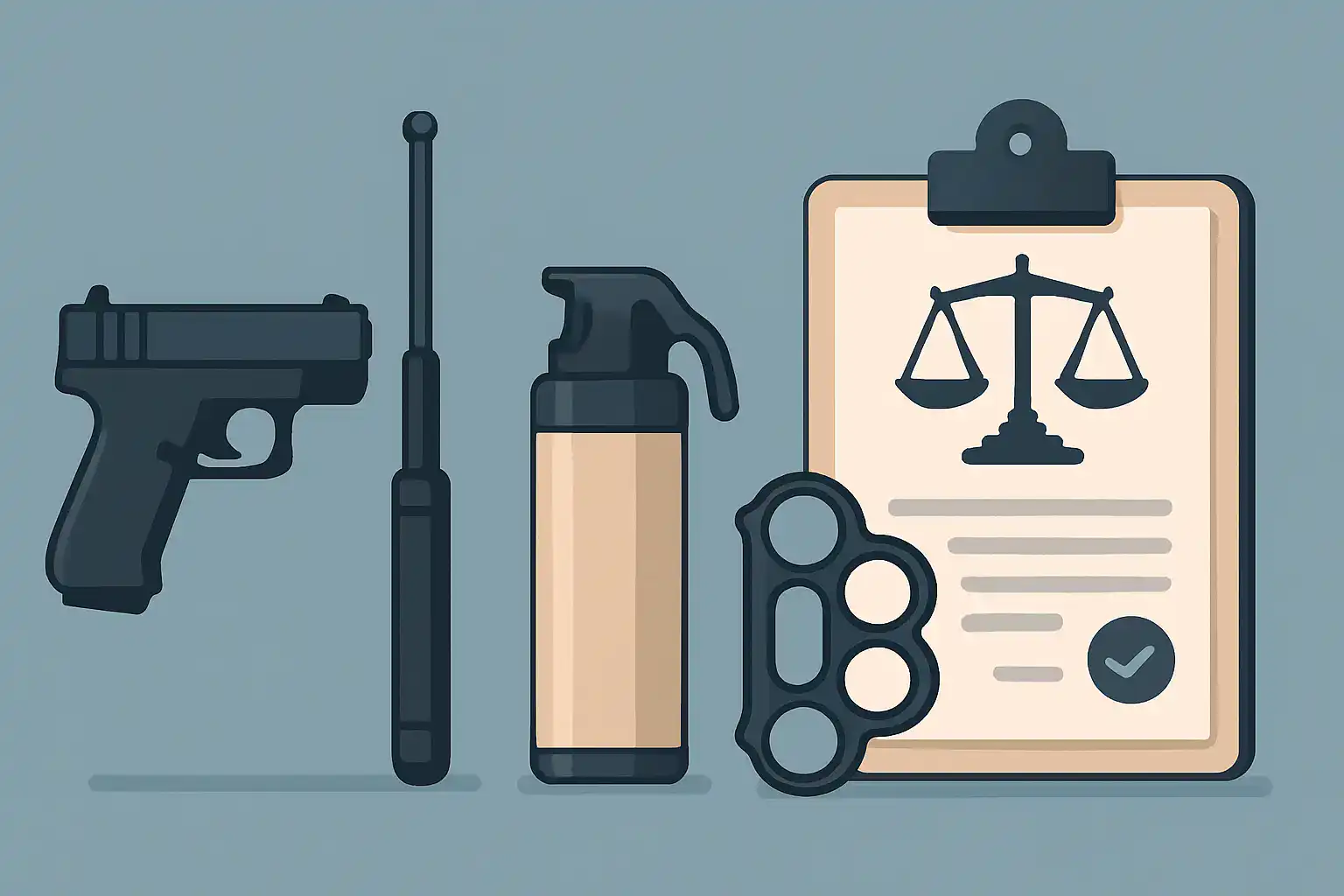
Navigating the complex world of personal self-defense weapons can often feel overwhelming, especially when considering the varied legality from state to state in the US. This article aims to illuminate the key aspects of legal self-defense weapons available today, focusing on what is permissible under US law, and the associated nuances that can impact your choices.
The Perception and Reality of Personal Defense
Self-defense is a fundamental human right. However, legal interpretations dictate what constitutes a legal self-defense tool. Personal safety concerns have ushered in a surge of interest in accessible self-defense tools such as pepper sprays, stun guns, tactical pens, and key chains. Understanding their legal status is crucial to ensure you use them responsibly and lawfully.
Pepper Spray: A Common Choice
Legality and Accessibility
Pepper spray is a non-lethal tool that is widely recognized as a defensive measure. It’s legal in all 50 states, though regulations on its possession and use vary widely. For example, some states regulate the size of the container, concentration of oleoresin capsicum (OC), or require permits.
Pros and Cons
Pros:
- Easy to carry and conceal.
- Effective deterrent against assailants or aggressive animals.
Cons:
- Short-range effectiveness.
- Requires aim accuracy to be effective.
Stun Guns: High Voltage Defense
Legal Considerations
Stun guns deliver a powerful electric shock to incapacitate an assailant temporarily. They’re legal in many states; however, places like Hawaii, Rhode Island, and certain cities (including some areas in Maryland and Illinois) ban their possession. In locations where they are permitted, age restrictions or background checks might apply.
Advantages and Limitations
Advantages:
- Immediate deterrence potential.
- Non-lethal with an aim for incapacitation.
Limitations:
- Limited to close-range encounters.
- Requires physical proximity to the threat.
Tactical Pens: Subtle yet Effective
Legality
Tactical pens are another legal option across most states, designed to pass unnoticed while equipping you with a tool for both writing and defense. They capitalize on being everyday items that double as defensive gear.
Benefits and Trade-offs
Benefits:
- Discreet appearance allows ease of carry in sensitive areas.
- Dual-purpose usability.
Trade-offs:
- Requires training to use effectively in high-pressure situations.
Self-Defense Key Chains: Portable Protection
Understanding the Laws
Self-defense key chains, like kubotans or other impact tools, have a broad legal acceptance. Nonetheless, their design can sometimes blur the line with other prohibited striking weapons, causing legal misunderstandings.
Strengths and Weaknesses
Strengths:
- Easily accessible in stressful situations.
- Enhances the power of strikes.
Weaknesses:
- Close-contact tool, requires confidence and skill in use.
Legal Considerations Across States
Each state governs the legality and regulation of personal self-defense weapons through a complex web of laws. Familiarizing yourself with both federal and state laws where you reside or travel is essential. Complying with legal mandates ensures you remain on the right side of the law while defending yourself.
Key Factors Influencing Legality
- State Laws: The most significant factor in determining weapon legality.
- Use Circumstances: Legal in self-defense, but misuse can result in severe penalties.
Empowerment through Knowledge
The landscape of self-defense weapons continues to evolve, reflecting changes in legal interpretations and societal needs. Elite Warrior Defense champions this space, offering a range of accessible and affordable self-defense options, designed for peace of mind. If you are interested in these products, you can learn more at Elite Warrior Defense.
Towards an Empowered Future
The responsibility of carrying a self-defense weapon is significant. Being informed about the options available, the legal bounds governing their use, and practicing restraint and readiness can empower you to feel secure without overstepping legal or ethical boundaries. Whether you opt for pepper spray or a tactical pen, the cornerstone of personal defense lies in preparedness and legal literacy.
Remember, it’s not just about carrying a weapon; it’s about carrying confidence in your ability to protect yourself within the constraints of the law.