A vacation property can look like an easy target when it sits dark for days or weeks at a time. A pile of mail, an untouched driveway, a visible package, or a side window left unprotected can tell the wrong person that nobody is coming back tonight. Effective vacation property security is not about turning your cabin, beach house, or rental into a fortress. It is about removing easy opportunities and creating enough uncertainty that an intruder decides to move on.
The best plan combines visible deterrents, protected entry points, a reliable way to check in, and a few habits that keep the property from looking vacant. Start with the basics, then build security around the way you actually use the home.
Make the Property Look Occupied
Most break-ins are crimes of opportunity. Someone notices a property that appears empty, sees a weak point, and acts quickly. Your first layer of protection should make that decision less appealing.
Use timers or smart plugs to run interior lights at different times instead of leaving one lamp on all week. A home with lights that follow the same exact schedule every day can still look empty, so vary the timing when possible. If the property has outdoor lighting, place bright motion-activated lights near doors, walkways, garages, and darker side yards. Sudden light draws attention to movement and takes away the cover many intruders want.
Mail, deliveries, and trash are also giveaways. Pause mail when you will be gone for an extended period, and ask a trusted neighbor or local contact to remove packages promptly. If your property is in a seasonal community, consider hiring someone to make occasional visits. A car in the driveway, blinds adjusted slightly, and a quick walk around the exterior can make a meaningful difference.
Avoid announcing travel dates and property details on public social media. A vacation photo is worth sharing, but posting it after you return is safer than broadcasting that the house will be unoccupied for the next ten days.
Secure Doors and Windows First
Doors and windows deserve the most attention because they are the most common entry points. A quality deadbolt on every exterior door is a strong starting point, but the door frame matters just as much. Weak strike plates or short screws can allow a door to be forced open even when the lock itself is solid. Reinforce strike plates with longer screws that reach the wall framing.
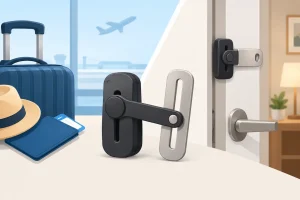
Check sliding glass doors carefully. Their locks are often less reliable than standard door locks, and the glass makes it easy to see what is inside. Use a properly fitted security bar or track blocker to prevent the door from being forced open. Keep blinds or curtains closed when the property is vacant so expensive electronics, tools, and personal items are not on display.
Windows should lock fully, including basement and ground-level windows that may be out of sight from the road. Window alarms are an affordable way to add another layer of protection. When a window or door is opened, the alarm creates immediate noise and attention. That may be enough to stop an attempted entry before it becomes a loss.
Do not forget secondary access points. Garage service doors, patio doors, storage sheds, and connecting doors from the garage to the home are easy to overlook. An intruder will not. Walk the entire property from the outside and look at it as someone searching for the quickest way in.
Use Cameras With a Clear Purpose
Cameras can be valuable for vacation property security, but placement matters more than simply owning a camera. Focus on the areas where someone would approach, enter, or remove property: the front door, driveway, rear entry, garage, and any side gate leading to the home.
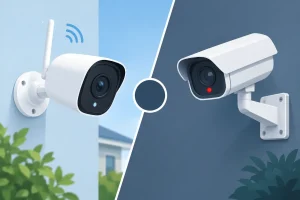
Visible cameras can discourage suspicious behavior because they signal that the property is watched. Hidden cameras can be useful for monitoring specific indoor areas or protecting valuables, but they should never be used in places where guests expect privacy. If you rent the property, clearly disclose any exterior cameras and follow all applicable state and local rules. Bedrooms, bathrooms, and other private spaces are never appropriate places for cameras.
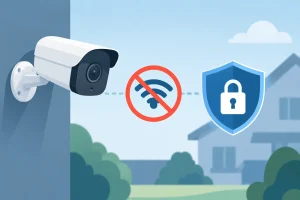
A camera is only helpful if you can access the footage and receive alerts when something happens. Before leaving, test the connection, confirm that notifications are enabled, and make sure the camera view is not blocked by plants, glare, or a seasonal decoration. For properties with unreliable internet, a dummy camera and visible alarm signage may still provide a deterrent, but they do not replace regular property checks.
Protect Valuables Before You Leave
The goal is not to keep every valuable item at the vacation home. The fewer tempting items left in plain sight, the less attractive the property becomes. Take portable valuables home when practical, including spare electronics, jewelry, cash, small tools, and important documents.
For items that need to stay, use layered storage. A diversion safe can help keep small valuables out of obvious places, while a properly secured safe offers stronger protection for important documents or larger items. Avoid predictable hiding places such as dresser drawers, bedside tables, and the freezer. Those are often among the first places searched.
If the property includes recreational equipment, secure it too. Bikes, kayaks, ATVs, fishing gear, generators, and power tools can be especially attractive targets. Lock them in a shed or garage, use anchored security cables where appropriate, and keep them out of view from the street.
Create a Departure Routine You Will Actually Follow
Security plans fail when they are too complicated to repeat. A short, consistent routine is more useful than a long checklist that gets ignored during the rush to leave. Before you lock up, make sure exterior doors and windows are secured, lights and timers are set, valuables are put away, and your camera or alarm system is working.
Then address practical property risks that can become security problems. Turn off or adjust water service as appropriate for the season, secure ladders that could be used to reach upper windows, and store spare keys somewhere other than under a mat or fake rock. If someone needs access while you are away, provide a key directly to a trusted person or use a controlled access method rather than leaving a hidden key outside.
Keep a written record of who has keys, garage remotes, alarm codes, and access to security apps. Update it after contractors, cleaners, guests, or previous renters no longer need entry. Access control is often overlooked, yet it is one of the simplest ways to reduce risk.
Vacation Property Security for Rental Homes
A rental property requires a slightly different balance. Guests need easy, reliable access and should feel welcome, not watched. Use exterior lighting, secure locks, visible entry cameras where legally permitted and properly disclosed, and clear instructions for locking up. A keypad lock can be useful because access codes can be changed between stays instead of relying on copied physical keys.
Be selective about what you leave available. Keep owner closets locked, remove personal financial documents, and use secure storage for items not intended for guests. A simple house guide can remind visitors to lock doors and windows, report damage, and avoid sharing entry codes.
If you manage the property from a distance, build relationships with local professionals and neighbors. A trusted person who can respond after a storm, alarm alert, or guest concern is one of the most practical security assets you can have.
Build Protection in Layers
No single product or habit can guarantee safety. A locked door may slow an intruder, an alarm may create pressure, outdoor lighting may eliminate concealment, and a camera may provide evidence or real-time awareness. Together, those layers make your property far less appealing than an easy, unprotected alternative.
Elite Warrior Defense offers accessible security tools that can help owners strengthen those layers without making protection feel complicated or out of reach. Choose solutions that fit the layout of your property, your budget, and how often the home sits empty.
Before your next trip home, stand at the curb and look at your vacation property after dark. Notice what is visible, what is easy to reach, and what signals that nobody is there. That five-minute perspective can show you exactly where to start.