
A loud siren used to be enough to make people feel protected. In 2026, that is no longer the standard. Home security trends 2026 are moving toward faster alerts, better visibility, simpler setup, and layered protection that works in real life – not just on a product box.
That shift matters for everyday homeowners, renters, parents, and anyone who wants more control over what happens at their front door, back window, driveway, or hallway. The strongest setups are not always the most expensive ones. They are the ones that match your space, your habits, and the level of risk you are actually trying to reduce.
The biggest change is not just smarter technology. It is smarter decision-making. People are moving away from the idea that one camera or one alarm solves everything. Instead, they are building layered systems with visible deterrents, entry-point alarms, lighting, and simple tools that help them react quickly.
That is a strong trend because break-ins and property crimes often come down to opportunity. A home that looks monitored, sounds protected, and creates friction at the point of entry is a harder target. Criminals generally want speed and low risk. The more signs of resistance they see, the less attractive your home becomes.
At the same time, buyers are watching their budgets. Monthly subscriptions, complicated installations, and oversized systems are losing ground to affordable products that can be put to work fast. People want protection they can control without waiting for an installer or locking themselves into long contracts.
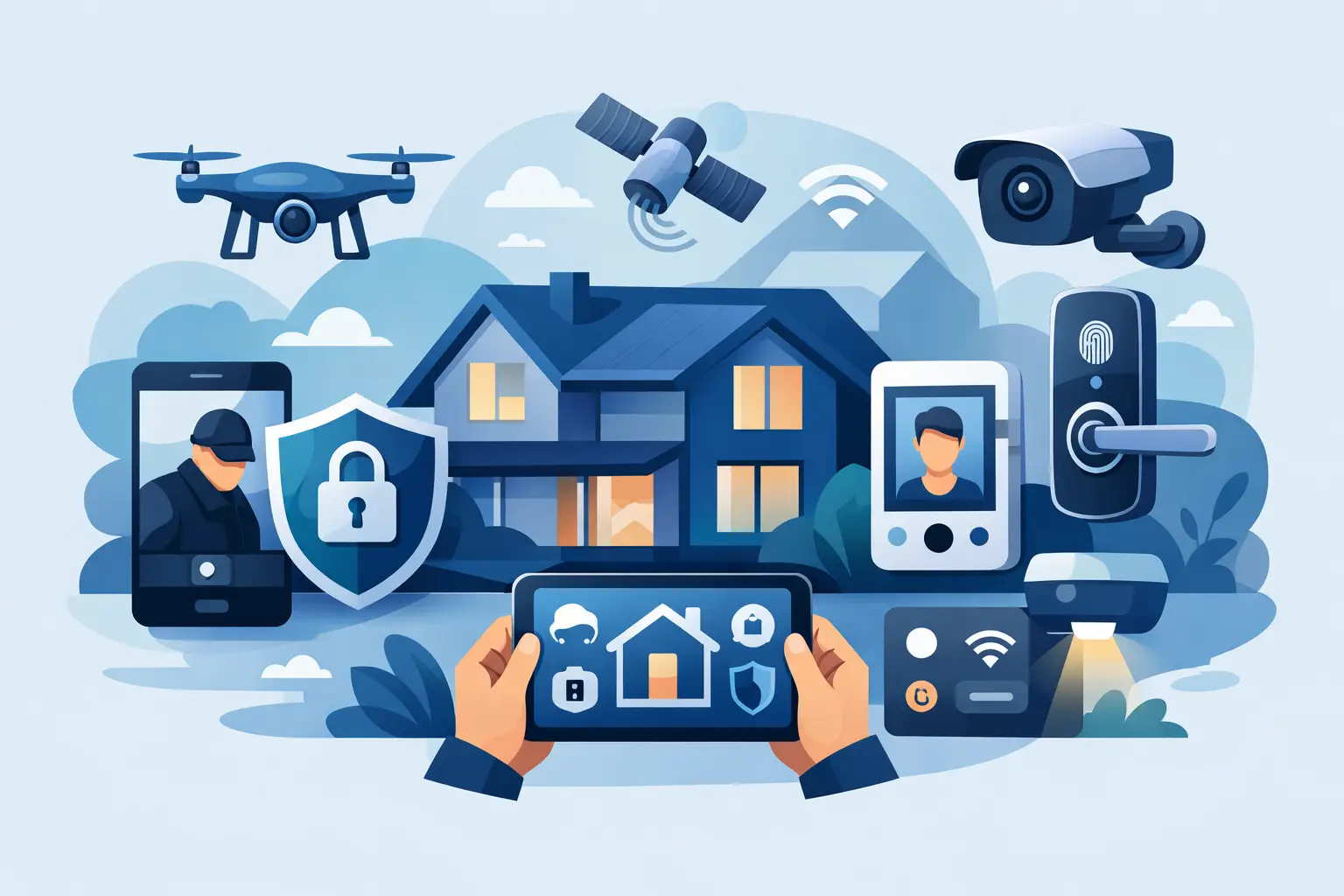
One of the clearest home security trends 2026 is the move toward layering. That means using multiple types of protection together instead of relying on a single camera or alarm.
A front-door camera can help you see activity, but it does not protect a side window. A window alarm can create noise, but it does not help if a dark walkway gives someone cover. A dummy camera can act as a visible deterrent, but it works best when paired with something that can actually alert you.
The practical approach is to think in zones. Start with entry points such as doors and ground-floor windows. Add deterrence in visible areas. Then consider interior awareness for vulnerable spaces like garages, hallways, or rooms with safes and valuables. This kind of setup is often more effective than spending the whole budget on one premium device.
For years, people treated deterrence as an afterthought. In 2026, it is becoming a strategy.
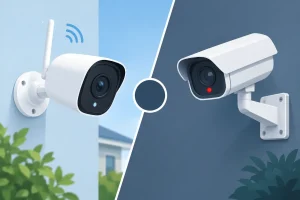
Visible cameras, dummy cameras, warning signs, security lighting, and window decals all send a message before a criminal ever touches the property. That matters because prevention is the goal. If someone decides your home is too much trouble, your security setup did its job.
There is a trade-off here. A visible deterrent can discourage opportunistic crime, but by itself it is not enough. If a product is only meant to be seen, you still need another layer that can sound an alarm, record activity, or notify you. The best deterrent is one that creates uncertainty for the intruder and confidence for you.
People love cameras because they are easy to understand. But one of the most practical trends is renewed focus on the places where entry actually happens.
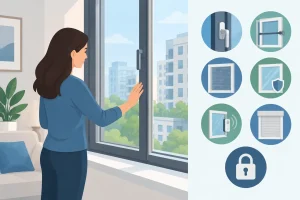
Doors and windows remain common weak points. That is why compact alarms, chime alerts, and low-cost sensors are gaining ground. These tools do not have the same visual appeal as a camera feed, but they can give instant notice when someone opens a protected entry point.
This trend is especially relevant for renters and budget-conscious households. You may not be able to rework locks or hardwire a full system, but you can still strengthen your first line of defense. A simple door or window alarm can be the difference between catching a threat early and finding out too late.
Not every security tool needs to be obvious. Another important shift is the increased use of discreet monitoring inside the home.
Hidden cameras and diversion-style storage solutions appeal to people who want awareness without drawing attention. In some cases, they help monitor deliveries, service visits, shared spaces, or suspicious activity that visible devices might change. They can also provide a backup layer if an intruder ignores or disables more visible security tools.
That said, this trend requires common sense. Hidden monitoring should be used legally and responsibly, with clear respect for privacy laws and household boundaries. The point is not paranoia. The point is having another way to document what happened if something goes wrong.
A notification is only useful if you can act on it. That reality is shaping buying decisions more than ever.
People are asking a better question now: if an alert comes in at 11:47 p.m., what do I actually do next? That is why home security in 2026 is blending with personal safety. Homeowners want lighting tools, self-defense options, and quick-access devices that help them protect themselves while law enforcement is on the way.
This does not mean turning your house into a bunker. It means understanding that security is not only about detecting a problem. It is also about having a plan for the moments right after detection. For some households, that may mean safety lights and loud alarms. For others, it may include legal self-defense tools kept in secure but accessible locations. The right answer depends on your local laws, comfort level, and who lives in the home.
A major trend for 2026 is not flashy at all. It is disciplined buying.
Consumers are getting better at separating useful protection from expensive extras. They are skipping features they will never use and investing in products that solve a specific problem. If package theft is the issue, focus on front-door visibility and deterrence. If a detached garage is vulnerable, strengthen that area first. If a rental has weak windows, start there.
This shift benefits people who want real security without overcommitting. It also fits the way many families shop now. They would rather improve their protection in stages than wait until they can afford a perfect all-in-one system. That is a smart move. A modest layered setup in place today is better than a dream system that never gets installed.
The more complicated a security setup becomes, the more likely people are to ignore it, disable it, or use only half its features. That is why simpler systems are winning.
In 2026, ease of use is not a luxury. It is a security advantage. Devices that install quickly, give clear alerts, and require minimal maintenance are often the ones people trust and use consistently. If a product is confusing, it creates hesitation. If it is simple, it becomes part of your routine.
This trend is especially important for mixed households. Not everyone is tech-savvy. If your spouse, parent, roommate, or older teenager cannot operate the system with confidence, the setup has a weak point. Security should make your household more prepared, not more dependent on one person who knows how everything works.
If you are planning to improve your setup this year, the smartest move is to start with risk, not hype. Walk your property in daylight and after dark. Check which doors are most used, which windows are easiest to reach, and where someone could approach without being seen. Then match products to those weaknesses.
For many homes, a strong starting point looks like this: visible deterrence outside, alarms on key entry points, lighting around dark approaches, and at least one layer of interior awareness. After that, think about personal response. If something happens fast, what helps you stay protected, alert others, and buy time?
That is where a practical security mindset makes all the difference. Elite Warrior Defense serves people who want that kind of confidence – protection that is affordable, effective, and built for real situations. Not every home needs the same setup, and not every trend is worth following. But the right upgrades can make your home a harder target and your household more prepared.
The best security trend for 2026 is simple: choose tools you will actually use, place them where they matter most, and build your protection one smart layer at a time.





YOU’RE IN!
Use this code on every order
🎉
Here’s Your Code!
Use it now an on every future order.
YOUR DISCOUNT CODE
We also sent this code to your email for safekeeping.
EXCLUSIVE OFFER
Every order – not just your first!
Unlock Your Discount Instantly
Enter your email below and your personal 15% discount code appears right here – no need to check your inbox.
🔒 We respect your privacy. Unsubscribe anytime.