
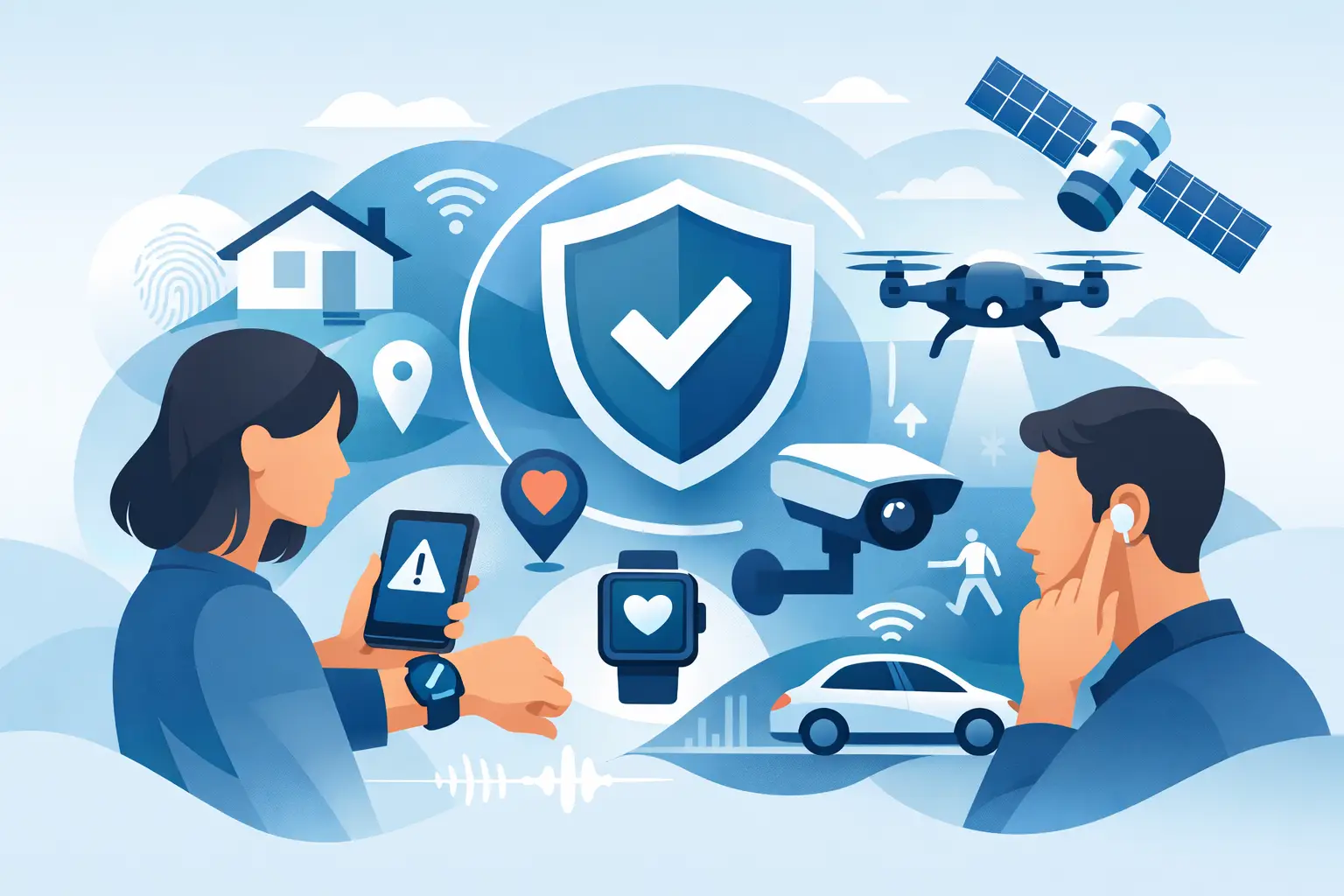
A phone alert goes out in seconds. A camera records in high definition. A wearable can share your location with one tap. Yet when a threat is close, most people still ask the same question: will this help me right now? That is the real issue behind the personal safety technology future. New tools are getting smarter, faster, and more connected, but the value of any safety device still comes down to one thing – whether it helps you act quickly under stress.
For everyday Americans, that matters more than flashy features. The future of personal safety is not just about advanced tech. It is about practical protection that works in a parking lot, at the front door, on a late walk, or during a home break-in. The best safety technology will not replace awareness or preparation. It will support both.
A lot of people imagine futuristic safety gear as something complex, expensive, or difficult to use. In reality, the biggest shift is moving in the opposite direction. Devices are becoming easier to carry, easier to activate, and easier to understand. That is good news for people who want dependable protection without a steep learning curve.
The next wave of safety technology will likely center on speed and simplicity. If a device takes too long to open, pair, charge, or figure out, it creates hesitation. Hesitation is the enemy in a dangerous moment. That is why compact alarms, quick-access self-defense tools, motion alerts, and basic surveillance systems will continue to hold their value even as software and smart features improve.
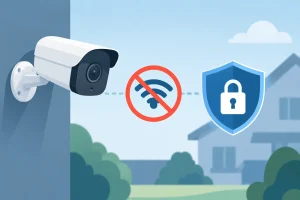
This is also where buyers need to stay sharp. More technology does not always mean more safety. A connected device that depends on signal strength, app permissions, or a charged battery may offer convenience, but it can also add points of failure. The future belongs to products that balance smart features with reliable manual use.
Emergency communication is improving fast. Wearables, mobile apps, and connected panic devices can now notify family members, share GPS location, and trigger emergency contacts almost immediately. For many users, especially students, commuters, runners, and rideshare drivers, that kind of speed is a real advantage.
But there is a trade-off. Alerting someone that you are in danger is not the same as stopping the threat in front of you. If a person is grabbed in a stairwell or confronted at their vehicle, they may need a loud deterrent, a bright safety light, pepper spray, or another self-defense tool long before help arrives.
That is why the strongest personal safety setup is layered. Smart alert systems are useful, but they should sit beside immediate-response tools, not replace them. Technology can call for help. It cannot always create distance, disorient an attacker, or buy you the few critical seconds needed to escape.
Home security used to feel out of reach for many households. That is changing. Cameras, window alarms, door sensors, and motion detection are becoming more affordable, which means more families can build real protection without a major investment.
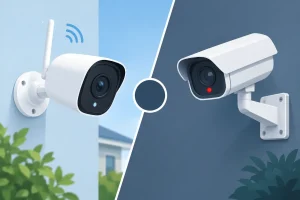
The personal safety technology future will almost certainly include wider adoption of modular home security. Instead of one large, professionally installed system, many homeowners and renters now prefer smaller devices they can place where risk is highest. A front door alarm, a hidden camera, a dummy camera in a visible spot, or a diversion safe can each solve a different problem.
This approach makes sense because threats are not all the same. A renter may need simple door and window alerts without drilling into walls. A homeowner may want visible deterrents outside and discreet monitoring inside. A parent may care most about entry alerts and nighttime visibility. Good security is not one-size-fits-all.
What will improve in the years ahead is coordination. Devices will likely work together more smoothly, with clearer notifications and better remote control. Still, the best systems will remain the ones people actually use every day. A camera that is too complicated to manage or an alarm that gets ignored after false alerts will not provide confidence for long.
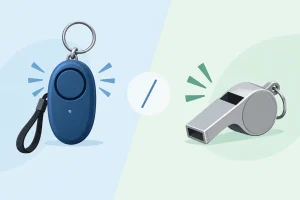
Not everyone wants to carry obvious self-defense gear. That is one reason discreet safety products are gaining ground. Wearable alarms, compact lights, keychain tools, and concealed defensive items fit the way people move through real life.
This is especially important for workers, students, travelers, and older adults who want protection that does not draw attention before it is needed. The future will likely bring smaller devices with louder alarms, stronger lights, faster activation, and better battery life. That progress matters because carry comfort affects whether a tool stays with you or gets left behind.
There is also a confidence factor. People are more likely to carry and use a device if it feels approachable. A simple keychain alarm or safety light may seem basic compared with high-tech gear, but if it is easy to reach and easy to trigger, it may be more effective in the moment that counts.
Artificial intelligence is already entering the security space through smarter cameras, motion recognition, facial detection, and activity analysis. In home security, this can reduce false alarms and help people notice suspicious behavior faster. That is a real benefit, especially for busy households.
Still, consumers should keep realistic expectations. AI can flag movement near a door or identify an unusual pattern on camera. It cannot fully understand your environment the way you do. It may miss context, misread harmless activity, or create a false sense of control.
For personal protection, judgment still belongs to the person using the tool. You decide when to leave, when to create distance, when to call for help, and when to use force within the law. The future of safety technology should support that decision-making, not replace it.
Stress changes everything. Fine motor skills drop. Memory gets shaky. People fumble. That is why smart buyers should look past marketing hype and ask a harder question: can I use this fast if I am scared, tired, distracted, or caught off guard?
This is where traditional self-defense products continue to earn their place. Pepper spray, stun devices, safety lights, tactical pens, and personal alarms remain relevant because they are direct. Their purpose is clear. They do not need a software update to do the job.
That does not make them old-fashioned. It makes them dependable. In many cases, the future of personal safety is not about replacing proven tools. It is about improving access, portability, rechargeability, and integration while preserving fast deployment. That is the sweet spot.
For a company like Elite Warrior Defense, that practical standard matters. People do not need gadgets that look impressive on a product page but fail in a real emergency. They need tools that are affordable, easy to carry, and ready when seconds matter.
Over the next few years, expect more overlap between personal defense and everyday carry. Safety tools will look less intimidating, fit into daily routines more naturally, and work better across different settings. A product that helps on a night walk may also make sense in a car, at a hotel, or near a front entry.
Expect battery performance to improve, activation methods to get quicker, and alerts to become more precise. Expect more products designed for specific groups, including women, seniors, solo travelers, and commuters. That kind of specialization can be useful, as long as it solves a real problem instead of dressing up basic features with niche branding.
At the same time, buyers should stay cautious about depending too heavily on connected ecosystems. Apps fail. Phones die. Networks lag. Any safety product that only works when every digital piece lines up perfectly has limits. The strongest choice is often a hybrid – something smart enough to extend your awareness, but simple enough to use without technical support.
The personal safety technology future is promising because it is moving toward tools that are more accessible, not less. Better design, lower prices, and faster alerts can give more people real protection. But the winning products will be the ones built around real human behavior, not lab-perfect conditions.
When you choose safety gear for yourself or your home, think less about what sounds futuristic and more about what gives you control. Confidence comes from preparation, and the right technology should make that preparation stronger, not more complicated.




YOU’RE IN!
Use this code on every order
🎉
Here’s Your Code!
Use it now an on every future order.
YOUR DISCOUNT CODE
We also sent this code to your email for safekeeping.
EXCLUSIVE OFFER
Every order – not just your first!
Unlock Your Discount Instantly
Enter your email below and your personal 15% discount code appears right here – no need to check your inbox.
🔒 We respect your privacy. Unsubscribe anytime.