
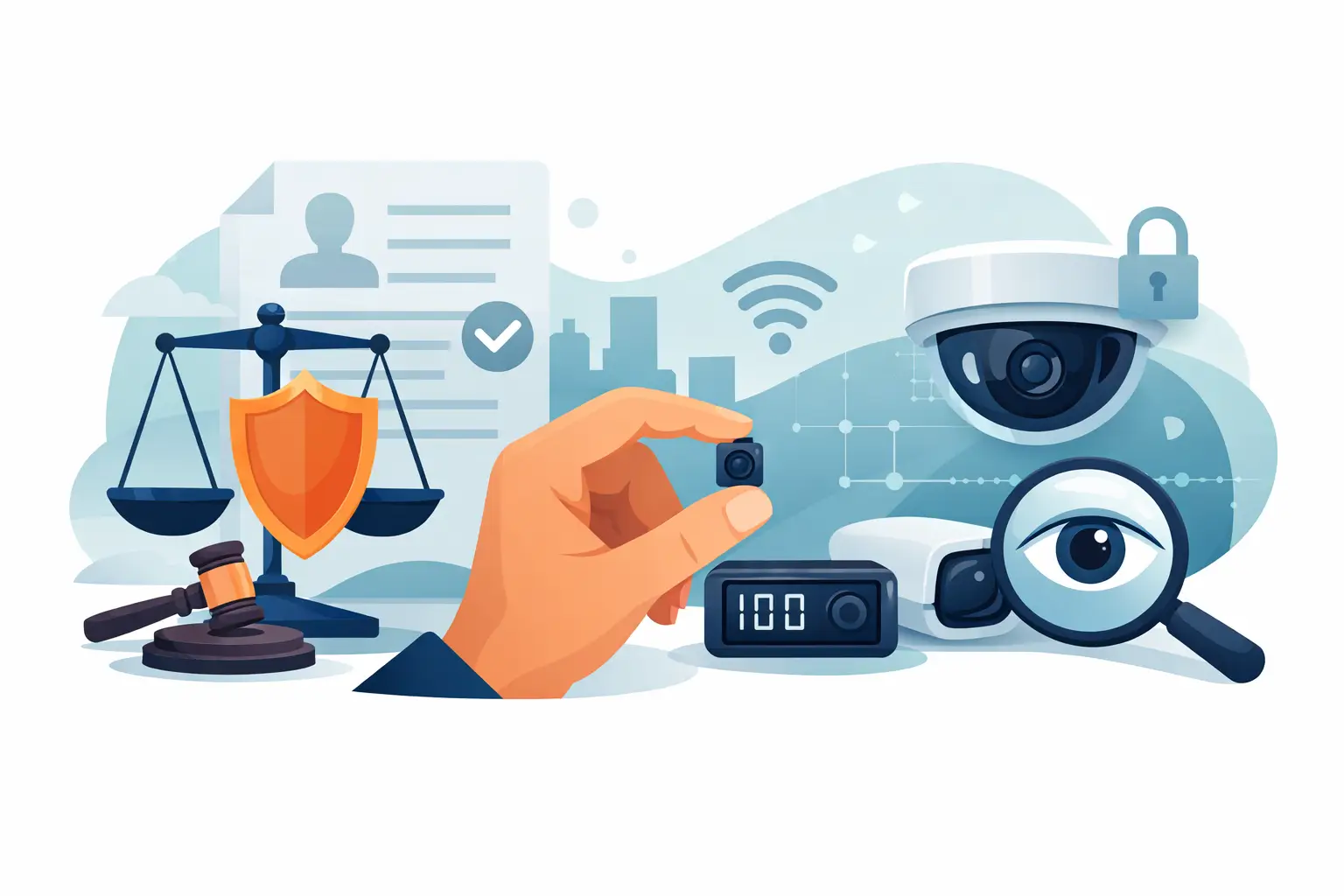
A hidden camera can protect your home, document suspicious activity, or help you keep an eye on vulnerable spaces when you are away. It can also create legal trouble fast if it is used in the wrong place or records more than the law allows. That is why hidden camera laws and tech trends matter together. The law shapes what responsible owners can do, and the technology keeps changing what these devices are capable of.
For anyone serious about home and personal security, the goal is not just better surveillance. It is smart, lawful protection that gives you evidence when you need it and peace of mind when you do not.
A few years ago, most hidden cameras were basic. They stored grainy footage locally, offered limited battery life, and did little more than record. Now many models include motion alerts, cloud storage, smartphone viewing, night vision, wider angles, and AI-assisted detection. Some are small enough to blend into everyday objects, while others are designed to look like clocks, chargers, or smoke detectors.
That progress creates a real advantage for homeowners and renters who want to monitor entry points, deliveries, caregivers, service visits, or suspicious activity inside the home. But better tools also raise the stakes. A camera that can capture clear audio, detect faces, and stream video from anywhere is far more powerful than older models. As the tech gets sharper, the legal and ethical lines matter more.
In the United States, hidden camera laws are not one-size-fits-all. Federal law may apply in some situations, but most day-to-day rules about recording, privacy, and consent are handled at the state level. That means a setup that is legal in one state can create problems in another, especially when audio is involved.
In broad terms, hidden cameras are usually legal when they are used on your own property for legitimate security purposes and placed in areas where people do not have a strong expectation of privacy. Front doors, driveways, garages, living rooms, and common areas often fall into that category, though exact boundaries still depend on state law and the specific facts.
If your purpose is home security, package theft prevention, or documenting unauthorized entry, the law is generally more favorable than if the device is used to secretly monitor private behavior. Intent matters. Placement matters. Whether audio is being recorded matters even more.
Many homeowners use discreet cameras because obvious cameras can be tampered with or avoided. That does not automatically make the camera unlawful. A concealed device used to protect your home can be reasonable. A concealed device placed where someone changes clothes, bathes, or sleeps without proper notice is a very different story.
The clearest legal red flags involve private spaces. Bathrooms, bedrooms used by guests, changing areas, and similar places are high-risk zones because people are generally understood to have a strong expectation of privacy there. Even if the camera is on property you own, that does not give you unlimited authority to record anywhere.
Landlords, employers, hosts, and property owners often get this wrong. Ownership does not erase privacy rights. A landlord cannot usually install hidden cameras inside a tenant’s private living space just because the building belongs to them. Employers may monitor certain work areas, but hidden surveillance in restrooms or locker rooms is plainly off-limits. Vacation rental properties have faced major scrutiny for this reason, and laws in many states have tightened around disclosure and placement.
There is also a difference between video-only recording and recording conversations. Audio surveillance triggers wiretapping and eavesdropping laws in many states. Some states allow one-party consent, meaning one person involved in the conversation can consent to the recording. Others require all parties to consent. If your hidden camera records sound, the legal risk climbs quickly.
A lot of buyers focus on video resolution and forget the microphone. That is a mistake. In many cases, the audio feature is what turns a useful security tool into a legal headache.
If you are considering a hidden camera for home use, check whether it records audio by default. Then check your state law before turning that feature on. In some cases, the safer move is to disable audio entirely unless you are certain your use complies with consent rules.
This is especially important for indoor cameras. A camera pointed at a hallway may feel harmless, but if it captures private conversations between guests, contractors, or family members, the issue changes. You may be trying to protect your home, yet still create evidence that was collected unlawfully.
The newest hidden camera tech is built around speed, clarity, and convenience. Buyers are looking for devices that are easy to set up and hard to detect by intruders. That demand has pushed several trends to the front.
Higher video quality is the most obvious shift. Clearer footage improves identification, especially in low light or at longer distances. A camera that records a face, license plate, or hand movement with usable detail is far more valuable than one that only proves something happened.
Smartphone integration is another major trend. Real-time alerts let users respond quickly instead of discovering problems hours later. For home security, that can be the difference between stopping a theft in progress and reviewing footage after the damage is done.
Battery efficiency has improved, but it is still a trade-off. Smaller hidden cameras are easier to place discreetly, yet tiny size often means shorter battery life. Plug-in designs can run longer, but they need to make sense in the room and may limit placement options.
Motion detection is getting better as well. Older systems often triggered alerts for every shadow or lighting change. Newer devices can reduce false alarms and in some cases distinguish between people, pets, and vehicles. That saves time and makes the camera more useful in real conditions.
Cloud storage remains popular, but local storage still matters. Cloud access gives convenience and off-site backup, which helps if a device is stolen. Local storage offers more control and can reduce monthly costs. The right choice depends on your budget, your internet reliability, and how much footage you want to retain.
The best hidden camera is not always the smallest or the most advanced. It is the one that fits your environment, your security goal, and the law in your area.
Start with the threat you are trying to address. Are you monitoring a front entry, checking on a caregiver, watching for package theft, or securing a room with valuables? That question should guide placement, power source, storage, and whether remote viewing matters.
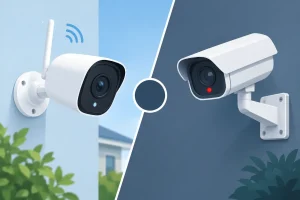
Then think about visibility versus concealment. A visible camera can deter bad behavior. A hidden camera can capture what a visible camera might miss. Neither is automatically better. In some homes, using both makes sense. A visible device may protect the perimeter while a discreet backup camera covers an interior point of concern.
You should also think carefully about who may be recorded. Family members, guests, babysitters, housekeepers, dog walkers, and maintenance workers all create different privacy and consent questions. If your camera setup involves other people inside the home, caution is smart. Security should make you feel more protected, not more exposed to legal risk.
If you want the benefits of modern surveillance without stepping over the line, a few habits go a long way. Use cameras for a defined security purpose. Avoid private spaces. Review your state rules on video and audio recording. If there is any doubt, get legal guidance before installation.
It also helps to keep your setup proportionate. Recording a front porch because packages have gone missing is easy to defend. Hiding devices throughout a home with no clear security need is harder to justify. The more intrusive the setup, the stronger your reason needs to be.
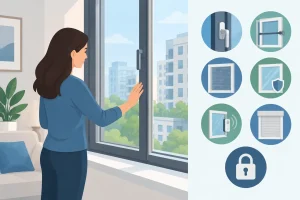
For many buyers, the smartest path is straightforward: choose reliable equipment, place it in lawful areas, and focus on prevention and evidence. That is where hidden cameras have real value. They work best as part of a larger safety plan that may also include door alarms, lighting, reinforced entry points, and personal security tools.
Security technology should put you in control, not put you at risk. As hidden camera laws and tech trends keep evolving, the strongest position is simple – stay informed, stay intentional, and use every tool with the kind of discipline that protects both your home and your rights.





YOU’RE IN!
Use this code on every order
🎉
Here’s Your Code!
Use it now an on every future order.
YOUR DISCOUNT CODE
We also sent this code to your email for safekeeping.
EXCLUSIVE OFFER
Every order – not just your first!
Unlock Your Discount Instantly
Enter your email below and your personal 15% discount code appears right here – no need to check your inbox.
🔒 We respect your privacy. Unsubscribe anytime.