A stun gun is not something to toss into a purse, glove box, or nightstand and forget about. It is a personal safety tool that demands familiarity before you ever need it. Knowing how to use a stun gun means understanding your specific device, carrying it where you can reach it, and keeping your focus on one priority: creating an opportunity to get away safely.
A stun gun can be a practical addition to a personal-defense plan, but it is not a guarantee of safety. Stress, darkness, close quarters, device limitations, and local laws all affect what happens in a real emergency. Preparation gives you the best chance to respond with control instead of panic.
Know Your Stun Gun Before You Carry It
Start with the manual for your exact model. Stun guns vary in shape, safety switch design, charging method, trigger placement, flashlight features, wrist straps, and activation buttons. Do not assume that a device works like another one you have seen online or handled years ago.
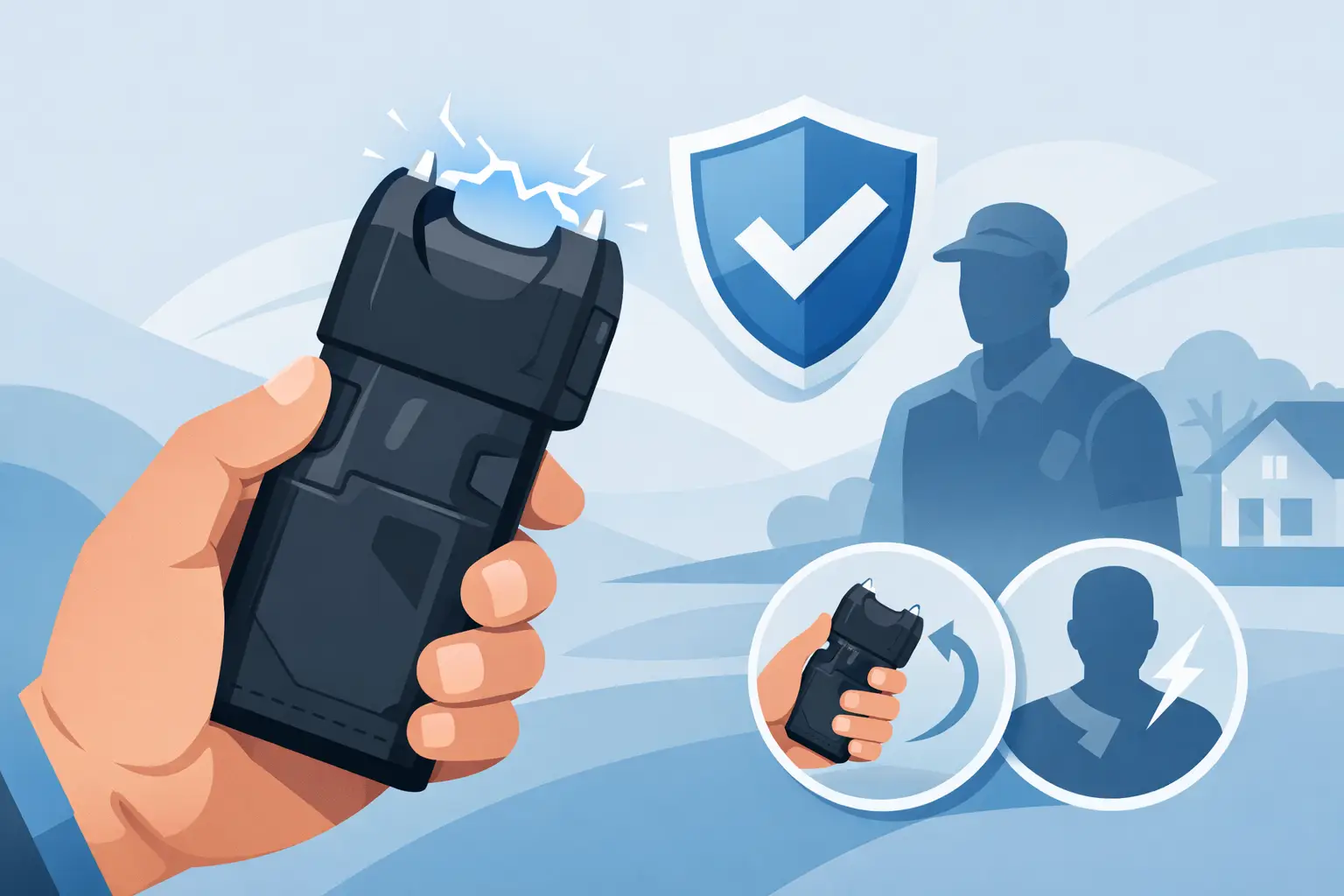
Before carrying it, identify the safety mechanism and practice moving it from the safe position to the ready position without looking. Learn which button activates the electrical arc and which controls a flashlight or alarm, if your device includes those features. You should be able to hold the device securely without accidentally covering its electrodes or pressing the wrong control.
Charge the stun gun according to the manufacturer’s instructions. A device that has been sitting uncharged for months may not be ready when you need it. Check it on a regular schedule, such as the first day of every month, and inspect it for cracks, loose parts, corrosion, or a damaged charging connection.
If your model permits a function test, do it only as directed in the manual, in a safe, open area, and for the brief duration specified by the manufacturer. Keep it away from children, pets, flammable vapors, and anyone with a medical device. Never test a stun gun on yourself or another person.
How to Use a Stun Gun Under Pressure
In a threatening situation, your first choices should be awareness, distance, a clear verbal boundary, and escape. Move toward people, light, an open business, a staffed area, or any place where you can get help. Call 911 as soon as it is safe to do so.
If a threat is immediate and you cannot safely get away, access your stun gun with a firm grip. Release the safety, keep the device controlled in your hand, and use it only as necessary to break contact or stop an immediate assault long enough to escape. Do not remain at the scene to argue, chase someone, recover property, or see what happens next. Your goal is to leave.
A stun gun is a close-contact tool. That means it generally requires you to be within arm’s reach of an aggressor, which carries real risk. It may not be the best option if you can create distance, move behind a locked door, get into your vehicle safely, or draw attention from others. It can also be difficult to use if an attacker has already pinned your arms or if the device is buried in a bag.
Once you are safe, call 911, report what happened, and seek medical attention if you are injured. Even if you feel steady in the moment, adrenaline can mask pain and make it harder to assess an injury. Write down what you remember while the details are fresh, including the location, time, direction the person left, and any witnesses.
Carry It Where You Can Reach It
The best self-defense tool is the one you can access quickly and safely. A stun gun at the bottom of a crowded tote bag may be technically with you, but it may not be available when seconds matter.
Choose a consistent carry location that works with your clothing and daily routine. A dedicated outer pocket, accessible holster, or secure compartment can make a major difference. Avoid carrying it loose beside keys, pens, cosmetics, or other items that could interfere with your grip or activation.
Your carry method should also prevent unauthorized access. Keep the device away from children and never leave it unattended in a shared space. If you keep one at home, store it in a location that is secure but accessible to responsible adults who know how it works.
Practice retrieving the device in a calm setting. Stand near your front door, sit in your parked vehicle, or walk through your usual routine at home. Can you reach it with either hand? Can you identify it by feel? Can you operate the safety without fumbling? These simple checks reveal weaknesses in a carry setup before they become a problem.
Understand the Legal and Practical Limits
Stun gun laws vary by state, county, city, school campus, workplace, and transportation setting. Some locations restrict possession, carry, or use, while certain employers and property owners may prohibit weapons on their premises. Before purchasing or carrying one, verify the rules that apply where you live, work, travel, and park.
Lawful possession does not mean every use is lawful. Self-defense laws generally depend on the circumstances, including whether you reasonably faced an immediate threat and whether your response was necessary. A stun gun should never be used to intimidate someone during an argument, settle a dispute, discipline another person, or play a prank.
Be especially cautious around fuel, aerosol sprays, chemical fumes, and other flammable materials. Do not activate the device near a gas pump, in an area with leaking fuel, or around substances that could ignite. You should also avoid using or handling it while impaired by alcohol, drugs, or medication that affects judgment or coordination.
Build a Safety Plan Around More Than One Tool
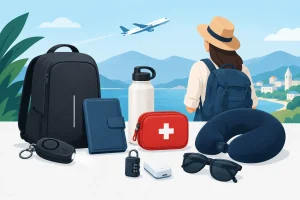
A stun gun works best as one part of a broader personal-safety routine. Situational awareness remains your first layer of defense. Notice who is around you, keep your phone charged, avoid getting distracted while walking to your car, and trust the feeling that something is off.
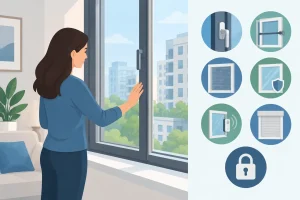
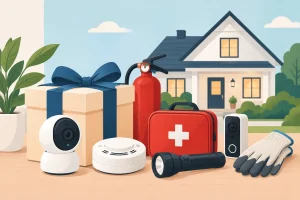
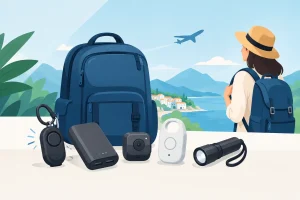
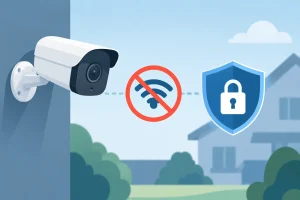
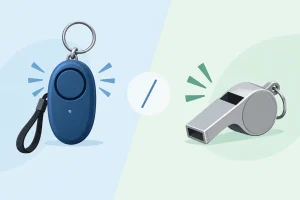
For some people, a compact flashlight, personal alarm, pepper spray where legal, door or window alarms, and a charged phone provide additional options. The right combination depends on your commute, mobility, local laws, comfort level, and whether you are preparing for personal safety, home safety, or both.
Elite Warrior Defense encourages customers to choose tools they can operate with confidence, not tools that only look impressive. A smaller device that you can carry consistently and understand completely may serve you better than a larger device that stays at home or feels awkward in your hand.
Practice Calm, Not Panic
You do not need to rehearse frightening scenarios to prepare responsibly. A few minutes of calm practice can build useful muscle memory. Review how your device turns on, where you keep it, and how you would move toward a safer place if you felt followed in a parking lot or uneasy at your front door.
Practice using your voice, too. A firm command such as “Stop,” “Stay back,” or “I need help” can draw attention, establish a boundary, and give you a moment to move. The goal is not to win a confrontation. The goal is to avoid one whenever possible and escape one when necessary.
Confidence comes from preparation, not from taking unnecessary risks. Learn your stun gun, maintain it, carry it responsibly, know the laws in your area, and keep your attention on getting home safely.