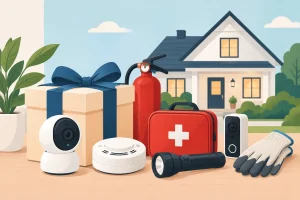

A front door can look secure and still leave a family exposed. A lock does little if a hidden spare key is easy to find, a side gate is left open, or no one knows what to do when the alarm sounds. Real home safety is not one purchase or one precaution. It is a set of practical layers that make your home harder to target, easier to monitor, and more prepared for the unexpected.
The goal is not to live on edge. The goal is confidence. When your household has sensible protections in place, you can focus on daily life knowing you have taken meaningful steps to protect the people, pets, and property that matter most.
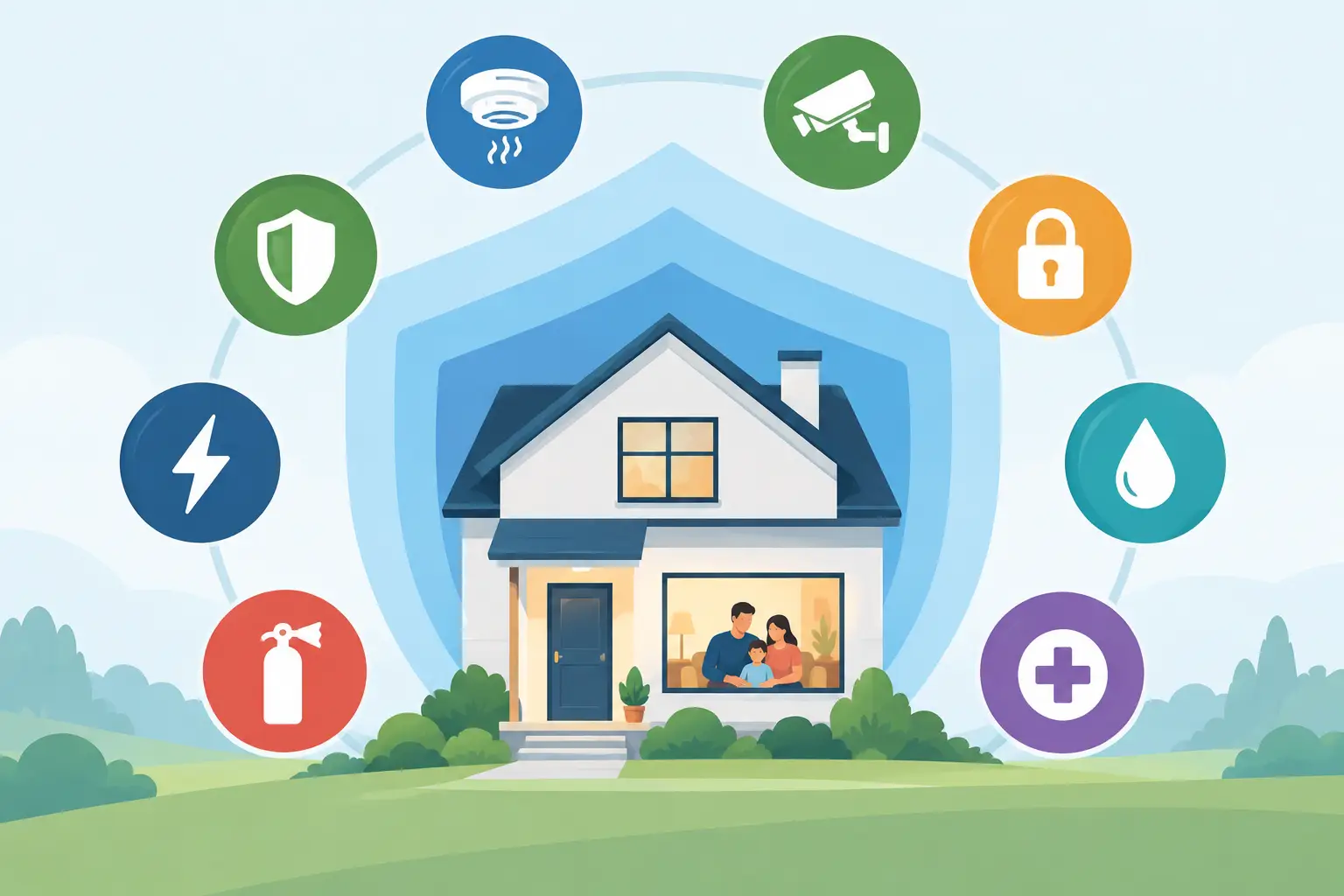
Think of security as a series of barriers. A visible camera or well-lit porch may convince an opportunistic intruder to move on. A locked door and reinforced strike plate add time and resistance if someone tries anyway. An alarm creates attention. A clear family plan helps everyone respond without panic.
No single layer is perfect. Cameras can miss an angle, batteries can die, and even strong locks depend on whether they are used consistently. Layering is what makes the difference. If one measure falls short, another is already working in its place.
Start by walking around your property in daylight and again after dark. Look at it as someone unfamiliar with your home would. Can they easily see whether anyone is inside? Are there dark paths, loose windows, exposed packages, or ladders that provide access to upper floors? This quick assessment often reveals the most useful first improvements.
Your exterior doors are your first priority. Check that every entry door has a properly installed deadbolt, a solid frame, and a strike plate secured with long screws that reach the wall stud. A quality lock is only as strong as the wood and hardware holding it in place.
Do not overlook the door between an attached garage and your living space. Treat it like an exterior door. Garage doors also deserve attention, especially if a remote is kept in a vehicle parked outside. Keep remotes out of sight and make sure the emergency release cannot be easily manipulated from outside.
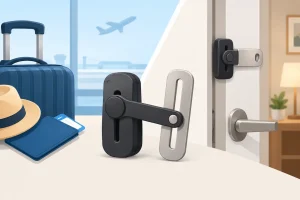
For apartments and rental homes, permanent upgrades may not be an option. Portable door alarms, door wedges, and renter-friendly reinforcement devices can add protection without major installation. Always follow your lease terms and local building rules.
Unlocked windows are a common weak point because they are easy to forget. Build a routine around checking accessible windows before bed, before leaving, and after contractors or guests have been in the home.
Window locks should work smoothly and hold the window firmly closed. For sliding windows and patio doors, a security bar or properly fitted dowel in the track can prevent the panel from being forced open. If ventilation is needed, use window stops that allow a small opening while limiting access from outside.
Window alarms can provide another layer, particularly on ground-floor windows, basement windows, and less visible sides of the home. They are also helpful for households with young children because they can alert adults when a window is opened unexpectedly.
A dark property gives unwanted visitors cover. Good exterior lighting changes that without turning your home into a floodlit fortress. Focus on entry points, walkways, driveways, side yards, back gates, and areas where someone could approach unseen.
Motion-activated lights are especially useful around the garage, backyard, and side entrances. They draw attention to movement while avoiding the cost and glare of leaving every light on all night. Keep shrubs trimmed below window level and prune tree branches that block sightlines or offer easy access to upper windows.
Lighting has a trade-off: poorly aimed fixtures can disturb neighbors or create glare that makes it harder for you to see beyond the bright spot. Aim lights downward where people walk and where doors, gates, and windows need visibility.
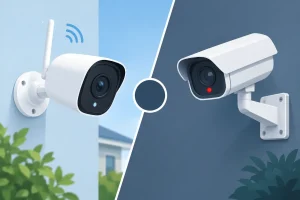
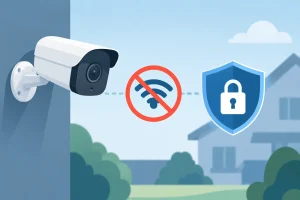
Security devices work best when each one has a job. Door and window alarms provide immediate alerts when an entry point opens. A visible camera can deter suspicious behavior and document activity near doors, driveways, and package drop-off areas. A hidden camera may be appropriate for monitoring specific interior spaces or checking on valuables, but it should never be used where anyone has a reasonable expectation of privacy.
Place cameras to cover approach routes and entry points rather than simply pointing at a door from too far away. Test the view at night, not just during the day. Make sure faces, license plates, and movement areas are visible under real conditions.
Dummy cameras can add a visible deterrent, but they should not be your only protection. Someone who recognizes a fake device may see it as a sign that the property lacks active monitoring. Pair visible deterrents with real locks, lighting, alarms, and habits.
Test alarms and camera notifications regularly. A device that has not been checked in months may have a dead battery, weak connection, or poor placement. Put a recurring reminder on the calendar for batteries, settings, and coverage checks.
Most security gaps are created by routine. A package sitting on a porch all afternoon, a spare key under a mat, or a social media post announcing a weeklong trip can give strangers more opportunity than they need.
Use package delivery instructions when available, retrieve deliveries promptly, and ask a trusted neighbor for help when you are away. If you need a spare key, choose a secure lockbox or leave one with a dependable person instead of hiding it near the entrance. Change or rekey locks after moving into a new home, losing keys, ending a roommate arrangement, or finishing major renovations.
Be selective about who has access codes, keys, and garage remotes. Review access after dog walkers, cleaners, contractors, or house sitters no longer need it. If your household uses a smart lock, create separate codes when possible rather than sharing one code with everyone.
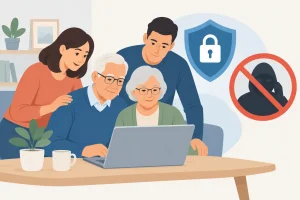
Home protection is not only about preventing an intrusion. Fire, severe weather, medical emergencies, and utility failures can require quick decisions too. Every person in the home should know how to exit safely, where to meet outside, and how to call for help.
Choose a meeting location a safe distance from the house, such as a neighbor’s driveway or a mailbox across the street. Make sure children know the home address and a trusted contact’s phone number. If someone in the household has mobility, medical, or communication needs, build those needs into the plan instead of assuming everyone can respond the same way.
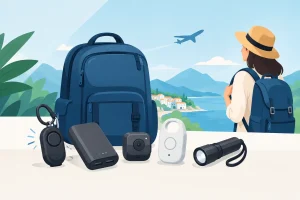
Keep flashlights, charged backup power, basic first-aid supplies, and emergency contact information in an easy-to-reach place. Safety lights are useful for power outages, walking the property after dark, or identifying a concern without carrying an open-flame candle.
Practice matters. A quick discussion twice a year can prevent confusion later. Keep it simple: how to get out, where to meet, who calls 911, and what not to do. Children should understand that they do not open the door for unexpected visitors and that they should never confront a stranger.
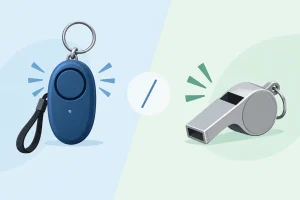
A home security plan should prioritize avoidance, escape, and contacting law enforcement whenever possible. If you choose to keep personal defense tools at home, select options that responsible adults in your household can operate safely under stress. Store them where they are accessible to authorized users but secured from children and unauthorized visitors.
Pepper spray, stun devices, tactical tools, and similar products may be useful as a last-resort layer, but laws and restrictions vary by state and local jurisdiction. Know the rules where you live, read the product instructions, and understand the limits of any tool before relying on it. Training and situational awareness matter more than owning equipment you have never practiced using.
Elite Warrior Defense focuses on accessible security tools because preparation should not be reserved for people with expensive systems or specialized experience. The right tool is the one that fits your household, legal requirements, comfort level, and larger safety plan.
You do not need to overhaul your home in a weekend. Start with the biggest vulnerabilities: lock the windows, reinforce a weak exterior door, improve a dark approach, or install an alarm where it will make the greatest difference. Then build from there.
A safer home is created through small, repeatable decisions. Check the lock. Turn on the light. Keep access controlled. Talk through the plan. Those actions send a clear message: your home is occupied, alert, and worth protecting.


YOU’RE IN!
Use this code on every order
🎉
Here’s Your Code!
Use it now an on every future order.
YOUR DISCOUNT CODE
We also sent this code to your email for safekeeping.
EXCLUSIVE OFFER
Every order – not just your first!
Unlock Your Discount Instantly
Enter your email below and your personal 15% discount code appears right here – no need to check your inbox.
🔒 We respect your privacy. Unsubscribe anytime.