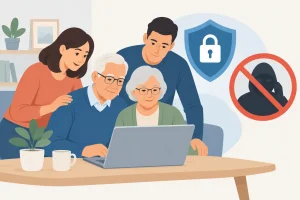
A phone at 4% battery, a late-night walk from the library, and a campus that suddenly feels much quieter than it did at noon: that is when college safety stops being an abstract concern. Students do not need to live in fear or treat every stranger as a threat. They do need a plan that works when they are tired, distracted, or caught off guard.
The strongest safety habits are practical, repeatable, and realistic for campus life. They make room for independence while giving students and families greater confidence that someone knows where they are, how to reach them, and what to do if a situation feels wrong.
College Safety Is a Daily Routine, Not a Panic Plan
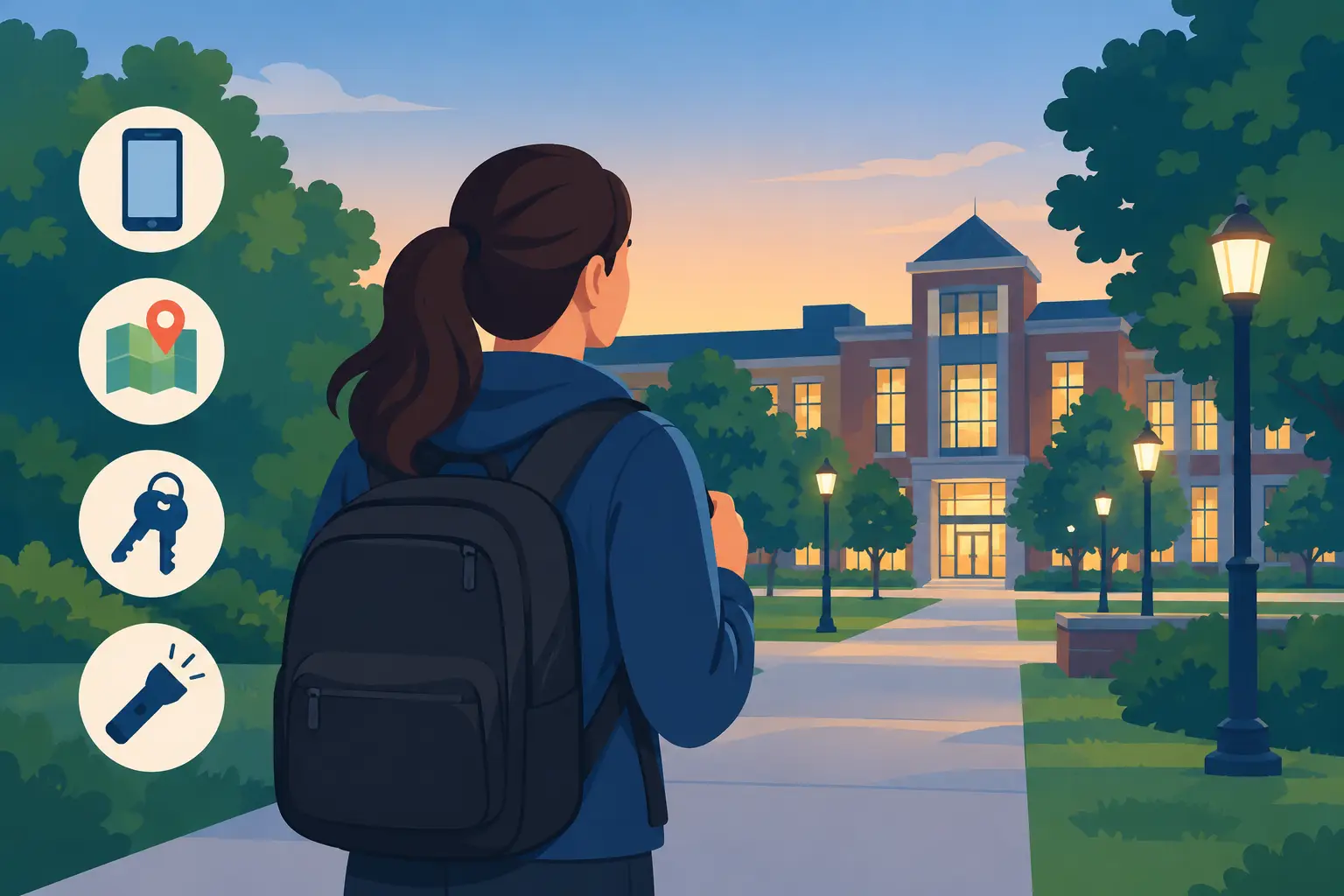
Personal safety is often discussed after something has gone wrong. A better approach is to build small protective habits into an ordinary day. That starts with knowing the campus itself: the locations of emergency call stations, well-lit routes, residence hall entrances, parking areas, campus security offices, and late-night transportation options.
Students should take a daytime walk through the routes they expect to use at night. The safest route is not always the fastest one. A path with lighting, open businesses, regular foot traffic, and visible security cameras may add a few minutes, but it can also offer more options if help is needed.
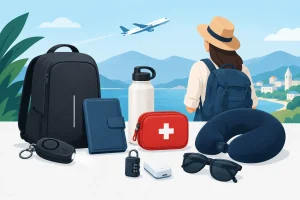
A charged phone is part of that routine. Before leaving a dorm, library, party, or off-campus job, students should check battery life and make sure location-sharing or emergency contact features are set up. A compact power bank can prevent a minor inconvenience from becoming a serious problem when a ride changes plans or a student gets separated from friends.
Situational awareness matters just as much. Listening to music, scrolling while walking, or wearing noise-canceling headphones can make a person less aware of traffic, approaching vehicles, and the behavior around them. Students do not need to walk nervously with their heads on a swivel. They should simply keep their attention available, especially in garages, stairwells, elevators, isolated paths, and near their vehicle.
Build a System With Friends and Roommates
Independence does not mean going it alone. A simple check-in system can be one of the most effective college safety tools available, because it gives people permission to speak up before a concern becomes an emergency.
Friends and roommates can agree on a few basics: send a message when arriving home, share the name and address of an off-campus gathering, and use a direct phrase when someone needs an exit. “I need to leave now” should be enough. No one should have to defend the decision to step away from an uncomfortable person, party, date, or ride.
For nights out, students should stay with the people they arrived with when possible and avoid leaving a friend behind because plans changed. If someone appears unusually impaired, confused, unable to stand, or unable to communicate, treat it as a medical concern. Call emergency services or campus responders. The priority is getting help, not avoiding embarrassment.
Families can support this system without turning every check-in into surveillance. Ask students what level of contact feels useful. A quick arrival text, a shared travel plan, and a designated emergency contact create support without undermining trust.
Protect the Dorm, Apartment, and Personal Property
Residence halls can feel secure because access is limited, but doors held open for strangers and lost key cards can weaken that protection quickly. Students should avoid letting unknown people tailgate into a building, even when it feels awkward to say no. A polite response such as, “Sorry, I can’t let anyone in without a key,” is enough.
Inside a dorm or apartment, lock doors and windows every time you leave, even if you are only heading down the hall. Keep valuables out of plain sight, particularly laptops, gaming systems, jewelry, cash, and vehicle keys. Document serial numbers and take clear photos of expensive electronics for insurance or police reports if theft occurs.
Roommate boundaries deserve the same level of clarity. Discuss guest policies, spare keys, package deliveries, shared expenses, and whether friends can stay over. Most conflicts are easier to prevent than repair, and an unannounced guest with access to a room is a safety issue as well as a privacy issue.
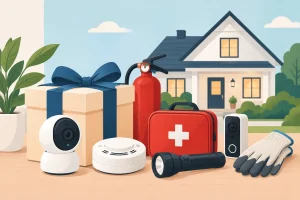
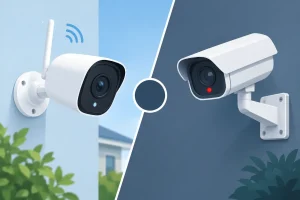
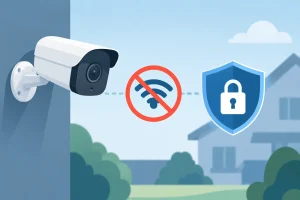
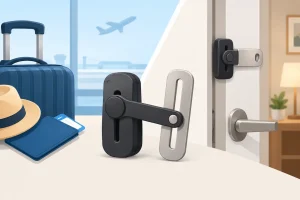
Students living off campus may benefit from basic home security additions, depending on the property and lease rules. Door and window alarms can add an alert layer without requiring permanent installation. A safety light near an entry or parking area can also make approaching the door at night feel less vulnerable. Renters should always get permission before making changes that affect the building.
Choose Personal Protection With the Law and Campus Rules in Mind
A personal safety device is most useful when its owner understands it, can access it quickly, and is legally allowed to carry it. This is where preparation matters. Do not buy an item, toss it into a backpack, and assume it will solve every problem.
Pepper spray, personal alarms, safety lights, and other defensive tools may be permitted in some places but restricted by state law, local law, school policy, housing rules, or event security. Rules can also differ for students living in a residence hall versus off-campus housing. Before carrying any defensive product, students should review their college’s written policies and applicable laws. When in doubt, ask campus safety or local law enforcement for guidance.
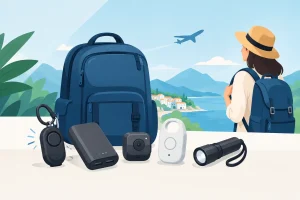
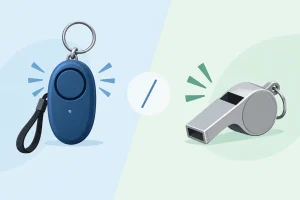
A personal alarm is often a straightforward option for students who want a loud, immediate way to draw attention during a threatening encounter or medical emergency. A high-output safety light can help students see dark paths, locate door locks, and make their presence more visible. Depending on legal rules, pepper spray may offer another option, but it requires responsible handling, secure storage, and an understanding of wind direction, distance, and accidental exposure risks.
The trade-off is simple: more tools do not automatically mean more safety. A device that is buried in the bottom of a bag, unfamiliar to the user, or prohibited by campus policy can create false confidence. Choose equipment that fits the student’s routine, keep it accessible, and practice using it safely according to the manufacturer’s instructions.
Elite Warrior Defense believes personal protection should be practical, accessible, and matched to real-life situations, not purchased out of panic. The right choice may be a personal alarm for one student, a safety light for another, or a combination of communication habits and home-security measures for an off-campus apartment.
Respond Early When Something Feels Off
Students are often taught to be polite, avoid making a scene, and give people the benefit of the doubt. Those instincts can be useful socially, but they should never override personal safety. If a person, place, ride, or conversation creates a strong feeling of discomfort, leaving is a reasonable response.
Move toward people, light, and staffed locations. Call a friend, request a campus escort, enter an open business, or contact emergency services if there is an immediate threat. If someone is following you, do not go directly to your dorm room or apartment. Change direction, seek a public place, and call for help.
For non-emergency concerns, students should report suspicious behavior, broken lighting, malfunctioning locks, harassment, stalking, or repeated unwanted contact to the appropriate campus office. Documentation can help. Save messages, note dates and locations, and write down descriptions while details are fresh. Reporting is not overreacting. It gives the school a chance to identify patterns and improve conditions before someone else is harmed.
Prepare Without Letting Fear Shrink College Life
College should include late study sessions, new friendships, campus events, and the confidence that comes from managing your own life. Safety planning is not about saying no to those experiences. It is about giving students more control over how they move through them.
Start with one conversation and a few habits: choose a check-in partner, identify the safest route home, charge the phone, lock the door, and learn the campus rules before carrying any protective device. Those small decisions build a stronger foundation than fear ever will, and they help students keep their freedom without taking unnecessary risks.