A phone can call for help, but it cannot light a dark parking lot, stop a door from opening, or make a threat disappear. That is why smart safety gadgets 2026 should be judged by one standard: do they give you useful time, attention, visibility, or distance when it matters?
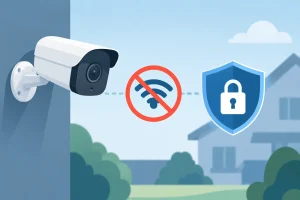
The strongest security setup is not built around one expensive device or a single app. It is built around practical layers that work in real life, including when batteries are low, Wi-Fi drops, or you are too stressed to navigate a screen. Smart features can be valuable, but dependable protection still comes first.
What “smart” should mean for personal safety
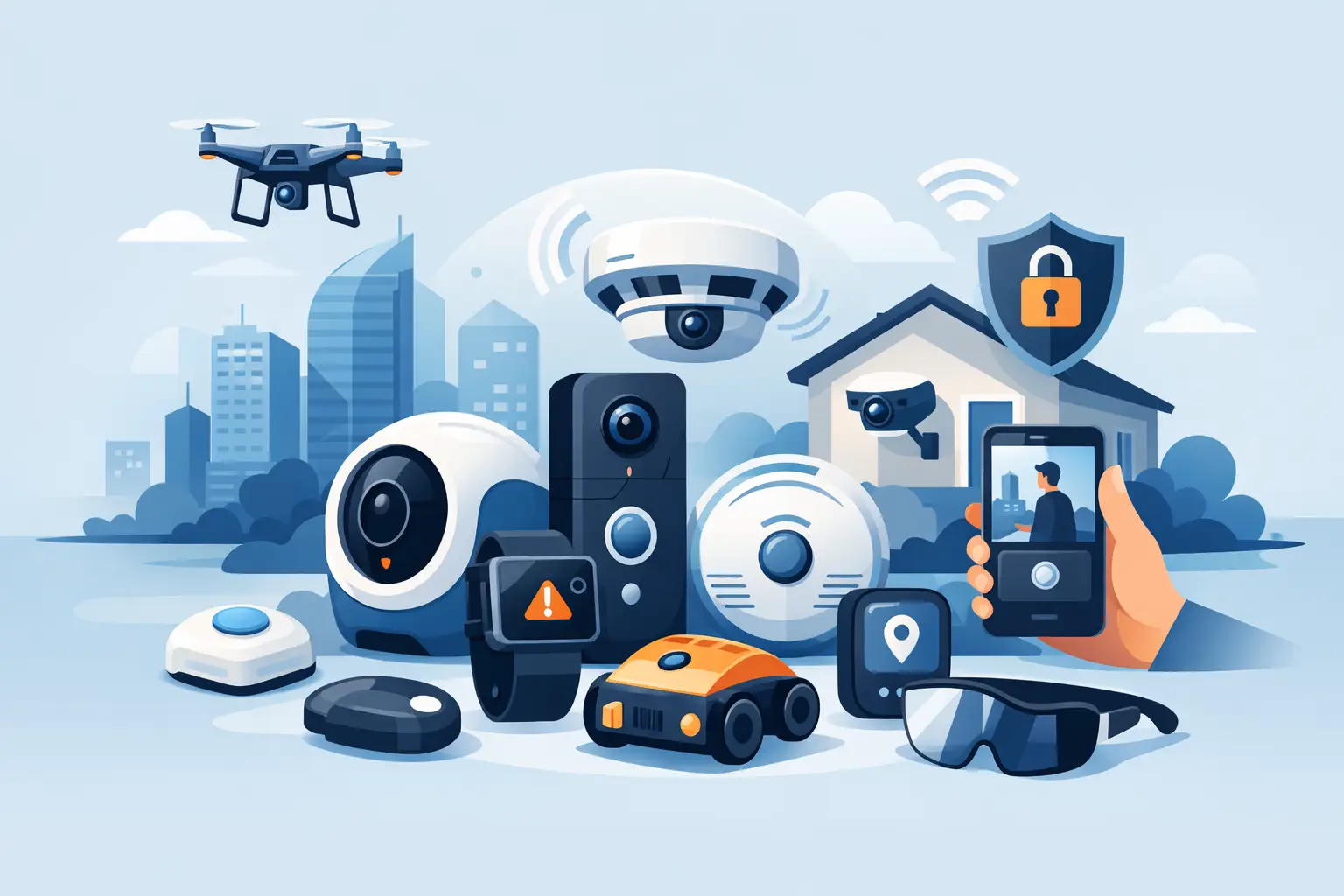
A gadget is not automatically safer because it connects to your phone. For personal and home security, smart features should reduce the time between a problem and your response. That may mean sending an alert when a door opens, recording activity at an entryway, sharing a location with a trusted contact, or activating a loud alarm quickly.
The best devices do this without creating extra work. If a device requires six steps, a strong signal, and a monthly subscription before it can help, it may not be the right choice for an urgent situation. Look for controls you can understand immediately, simple charging or battery replacement, and a clear backup plan if the connected features fail.
This does not mean low-tech tools are outdated. A bright safety light, a personal alarm, a door alarm, pepper spray where legal, or a reliable stun device can be more immediately useful than an app-based product that is buried in a bag or needs to reconnect. Smart protection works best when technology supports your readiness instead of replacing it.
Smart safety gadgets 2026 worth considering
The right gadget depends on your routine. A college student walking from a late class has different needs than a homeowner receiving packages during the day or a commuter parking in a garage before sunrise. Start with the risks you actually face, then choose products that solve those problems.
Smart personal alarms and safety lights
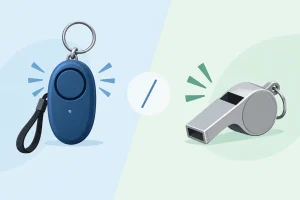
A personal alarm is one of the simplest tools to carry because it changes the environment fast. A loud sound can draw attention, disrupt an attacker’s focus, and signal that you need help. Smart versions may also notify selected contacts through an app, but the physical alarm should remain easy to trigger without unlocking a phone.
A compact safety light is equally practical. Visibility helps you spot a loose stair, find your keys, assess the area around your car, and make yourself less vulnerable in dim spaces. Choose a light with a simple switch, a strong beam, and a carry method that fits your habits. The most capable light is useless if it stays in a drawer.
For many people, pairing an alarm with a safety light is more realistic than relying on one multipurpose gadget. One provides attention. The other helps you see and move with more confidence.
Connected door and window alarms
Home security does not have to begin with a complicated system. Wireless door and window alarms are an affordable first line of defense for apartments, houses, garages, and sheds. When an entry point opens, the device can sound a local alarm. Connected models may also send a phone notification, which is especially useful when you are away.
Placement matters more than buying the most features. Prioritize the doors you use least often, ground-floor windows, sliding doors, basement access, and any entrance hidden from neighbors. Test the alert volume from the room where you sleep. A notification is helpful, but an alarm you cannot hear will not wake you when you need it to.
For renters, battery-powered alarms can offer meaningful protection without permanent changes. Homeowners may choose to expand coverage over time, but even a few well-placed sensors can make an opportunistic entry more difficult and more noticeable.
Cameras that help you verify, not just worry
A camera can be a powerful security tool when it covers a specific question: Who approached the front door? Was a package delivered? Did someone enter the side yard? It is less useful when it produces a constant stream of unclear alerts that you stop checking.
Choose camera locations based on entry routes, not just the best-looking angle. Front doors, back doors, garages, driveways, and side gates are common priorities. Make sure the camera has usable nighttime visibility and a clear view that is not blocked by branches, glare, or seasonal decorations.
There are trade-offs. Cloud storage and motion alerts can be convenient, but they may involve ongoing costs and privacy considerations. Review who can access recordings, use strong unique passwords, and keep software updated. Cameras should be used lawfully and with respect for the privacy of neighbors, guests, and household members.
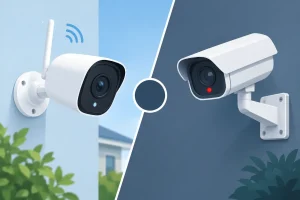
Dummy cameras can also act as a visible deterrent in certain locations, especially when used alongside real lighting, alarms, and secure locks. They should not be treated as a replacement for devices that can alert you or document activity.
Wearable check-in and location tools
Wearable safety tools and phone-based check-in features can help when you travel alone, meet someone new, hike, or work late. Their best use is not constant monitoring. It is creating a simple plan with a trusted person: where you are going, when you expect to arrive, and what they should do if you do not check in.
Set this up before you need it. Add emergency contacts, test the alert process, and make sure the people receiving an alert know how to respond. A vague message to several people can create confusion. A clear check-in plan with one or two reliable contacts is usually stronger.
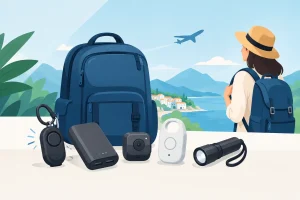
Remember that location tools depend on battery life, cell service, and the ability to activate them. Carrying a charged phone and a backup power bank can be part of your safety plan, but it should not be your only layer.
Build protection in layers, not around one device
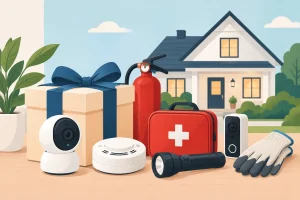
A practical safety setup usually has three jobs: deter a problem, alert others, and help you respond. Lighting and visible security measures can deter. Door alarms, cameras, and personal alarms can alert. A charged phone, a trained response, and lawful self-defense tools can help you respond.
For personal protection, keep tools where you can reach them quickly. A safety alarm at the bottom of a tote bag is not a fast option. Consider a keychain attachment, outer pocket, belt clip, or another secure carry position that you can access under stress. If you choose pepper spray, a stun gun, or another defensive tool, learn its operation, practice accessing it safely, and understand the laws where you live and travel.
For home protection, secure the basics before adding advanced technology. Confirm that exterior doors have solid locks, windows close properly, and entry areas have adequate lighting. Then add alarms and cameras where they close a real gap. Elite Warrior Defense focuses on this kind of practical protection: accessible tools that help ordinary people take control of their security without overcomplicating it.
What to check before you buy
Before choosing any safety gadget, think through how it will work on an ordinary Tuesday, not just in a worst-case scenario. Ask whether you will carry it, charge it, test it, and know how to use it when startled.
Use this quick check before committing to a device:
- Can you activate it quickly with one hand?
- Does it still provide basic protection if Wi-Fi or an app fails?
- Will its size and carry method fit your daily routine?
- Are replacement batteries, charging, and maintenance realistic for you?
- Does it comply with local laws and the rules of places you visit?
Avoid gadgets that make dramatic promises without explaining their limits. No product guarantees safety. A useful device gives you an advantage, but awareness, preparation, and smart decisions remain part of the equation.
Make your gadgets part of a real plan
Set a recurring reminder to test alarms, recharge lights, inspect spray expiration dates, and confirm that cameras are recording correctly. Replace batteries before they fail, not after. Small maintenance habits are what turn a purchase into dependable protection.
Most importantly, choose a setup you will actually use. A bright light by the door, an alarm on your keychain, and a sensor on a vulnerable window can do more for confidence than a complicated collection of devices you never learn to operate. Your safety plan should feel clear, reachable, and ready when you need it.