
The first night in a dorm can feel exciting right up until the door clicks shut and you realize how little control you actually have over the space. You may trust your roommate. You may like your floor. But shared buildings, constant foot traffic, and open-access routines create blind spots fast. That is why college dorm safety devices matter. The right setup does not turn your room into a fortress. It gives you more awareness, more control, and more confidence.
Dorm security is different from apartment security because you are working within school rules, a compact room, and a high-traffic environment. You usually cannot drill into doors, replace hardware, or install anything permanent. That means every device needs to be easy to use, easy to remove, and strong enough to make a real difference.
The best college dorm safety devices solve everyday problems before they become serious ones. In a dorm, many safety issues are not dramatic break-ins. They are unlocked doors, people wandering hallways, package theft, unwanted entry by someone who “just had the wrong room,” or a student getting back late and wanting a faster way to feel secure.
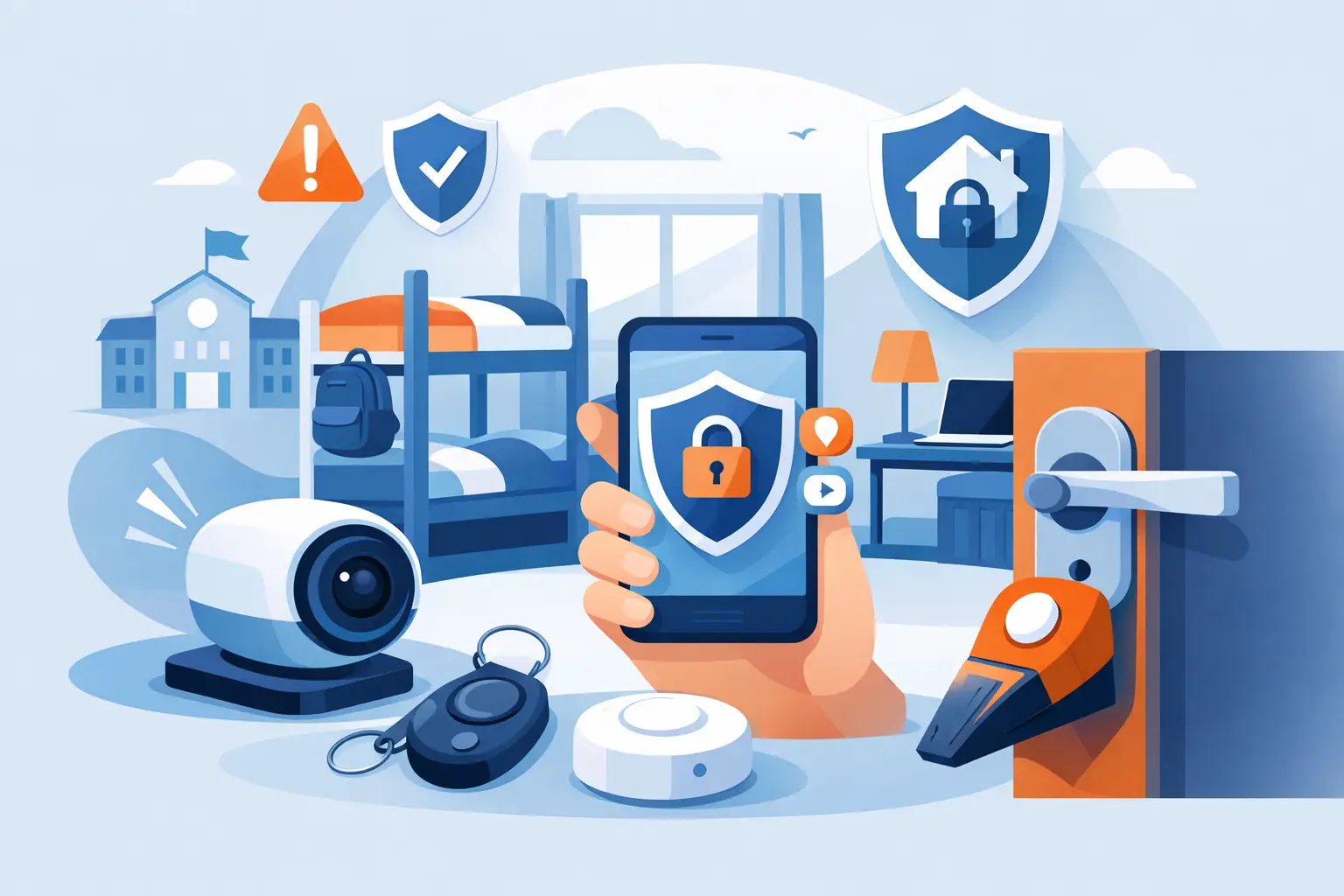
A good device should do one of three things. It should deter someone, alert you quickly, or give you time to respond. The strongest dorm setup usually combines all three. That might mean a portable door alarm for your room, a personal safety light for nighttime walks, and a compact self-defense tool that follows campus and state rules.
Price matters too. College students and parents are often trying to improve safety without spending a fortune. The good news is that dorm-friendly protection does not have to be expensive to be effective. A few smart choices can cover the biggest vulnerabilities.
Portable door alarms are one of the easiest wins. They are simple, affordable, and useful in a shared living environment where doors can be left unlocked by accident. Some wedge under the door and sound off if pressure is applied. Others attach temporarily and trigger when the door opens. Neither option requires permanent installation, which makes them practical for dorm rules.
Door reinforcement tools can help too, but this is where trade-offs matter. Some portable locks and braces offer strong added resistance, but they are not ideal for every situation. If a dorm has strict housing policies or emergency access requirements, a reinforcement device may not be allowed. Before using one, check campus housing rules. The goal is to improve safety without creating a problem during an emergency.
Window alarms are often overlooked, especially on lower floors. Students tend to focus on the main door, but accessible windows can be another weak point. A simple window alarm can add an instant alert if the window is opened unexpectedly. If your dorm room is on the first floor or has easy exterior access, this matters even more.
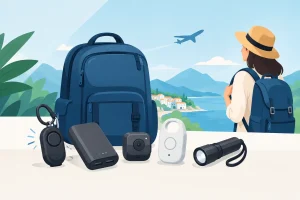
Personal safety alarms deserve a place in almost every student setup. They are small, easy to carry, and can create a loud attention-grabbing sound in seconds. That matters when walking back from the library, crossing a parking lot at night, or dealing with a suspicious situation where speed matters more than complexity. They are especially useful for students who want a non-contact tool that does not require much training.
Safety lights are another smart addition. A bright compact light helps with visibility, but it also improves awareness. Dark walkways, poorly lit stairwells, and late-night campus routes are easier to manage when you can clearly see your surroundings. In some cases, a strong light can also discourage unwanted attention by making it harder for someone to approach unnoticed.
Pepper spray is often part of the conversation around dorm and campus safety, but it comes with an important condition. Rules vary by campus and state. Some schools allow it. Others restrict it inside residence halls. If it is permitted, pepper spray can be a practical self-defense option because it creates distance and gives you a chance to escape. But it only makes sense if you understand how to carry it, how to use it, and where it is legally allowed.
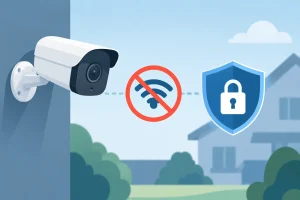
Hidden cameras and monitoring devices can sound appealing, especially for concerns like theft, roommate disputes, or unauthorized room entry. But this area requires caution. Dorm rooms are shared spaces, and privacy laws and school policies are serious. Recording someone without proper consent can create legal and disciplinary consequences. If a student is considering any kind of camera, they need to understand the rules first. In many dorm situations, an entry alarm is the safer and cleaner solution.
The right setup depends on the student, the building, and the campus rules. A first-floor room near an exterior entrance has different risks than a room on an upper floor with controlled access. A student who regularly walks across campus late at night needs a different carry setup than one who mostly stays close to the residence hall.
Start with your room. Ask a few direct questions. Does the door lock reliably every time? Is the window accessible? Do roommates consistently secure the room? Are strangers ever seen on the floor? Your answers point toward room-based devices like door alarms, window alarms, or portable reinforcements.
Then think about movement outside the room. How does the student get back after dark? Is the path well lit? Is there a long walk from parking lots or transit stops? That is where a personal alarm, safety light, or legally permitted self-defense item becomes more relevant.
Ease of use matters more than people think. If a device is too bulky, too confusing, or too inconvenient, it usually gets left behind. A dorm safety tool should be simple enough to use under stress and portable enough to keep close. Confidence comes from practice, not just ownership.
Do not buy based on hype alone. The dorm market is full of cheap gadgets that look useful online but fail when it counts. Weak alarm volume, flimsy construction, and poor battery life are common problems. A device that only works sometimes is not protection. It is false reassurance.
Avoid anything that breaks dorm rules or creates safety issues during emergencies. Some products sound strong in theory but do not fit the reality of campus housing. If a tool could interfere with authorized entry during a medical emergency or violate housing policy, it may do more harm than good.
It is also smart to avoid overcomplicating your setup. Students do not need ten devices. They need a few dependable ones that address actual risks. One room alert device and one personal carry item will do more than a drawer full of gadgets nobody uses.
Good dorm security is not about assuming the worst every second of the day. It is about reducing easy opportunities for trouble. Lock the door, even for short trips. Keep valuables out of sight. Use an alarm if the room has inconsistent traffic. Carry a personal safety tool that fits campus rules and personal comfort level.
Roommates should be part of the plan too. Many dorm safety problems start with mixed expectations. One person thinks the room should stay unlocked while friends come and go. The other wants every entry controlled. Set that standard early. A simple agreement about locking doors, handling guests, and securing windows can prevent a lot of avoidable risk.
Parents often focus on what students should buy, but habits matter just as much. The best college dorm safety devices support strong routines. They do not replace them. A door alarm helps, but it does not excuse leaving the room unsecured. Pepper spray may be effective where legal, but it does not replace awareness. Devices work best when paired with attention, consistency, and a willingness to act early instead of late.
For students who want practical protection without turning dorm life upside down, focus on a few high-value basics. A door or window alarm for the room, a bright safety light, and a personal alarm are a strong starting point. If campus rules allow it, a self-defense tool may also make sense. Brands like Elite Warrior Defense serve people who want straightforward, affordable security options without the guesswork.
College is supposed to expand freedom, not shrink your sense of safety. A smart dorm setup gives students one of the most valuable advantages they can have – the confidence to rest easier, move smarter, and take control of their own protection.





YOU’RE IN!
Use this code on every order
🎉
Here’s Your Code!
Use it now an on every future order.
YOUR DISCOUNT CODE
We also sent this code to your email for safekeeping.
EXCLUSIVE OFFER
Every order – not just your first!
Unlock Your Discount Instantly
Enter your email below and your personal 15% discount code appears right here – no need to check your inbox.
🔒 We respect your privacy. Unsubscribe anytime.